
When it comes to vinyl siding repair near me, it's essential to understand the importance of timely maintenance and repair. From common issues to DIY tips and hiring professionals, this guide covers it all in a detailed yet easy-to-understand manner.
Exploring the world of vinyl siding repair near me unveils a realm of possibilities and solutions that can transform your home's exterior.
Importance of Vinyl Siding Repair
Maintaining vinyl siding is crucial for the overall appearance and protection of your home. Timely repairs can prevent further damage and costly replacements down the line. Neglecting repairs can significantly decrease the value of your home and lead to more extensive issues.
Benefits of Maintaining Vinyl Siding
- Preserves the aesthetic appeal of your home
- Protects against harsh weather conditions
- Increases energy efficiency
- Prevents moisture buildup and mold growth
Preventing Further Damage with Timely Repairs
- Addressing small damages early can prevent them from escalating into larger issues
- Regular maintenance can extend the lifespan of your vinyl siding
- Repairs can help maintain the structural integrity of your home
Impact of Neglected Repairs on Home Value
- Decrease in curb appeal, affecting resale value
- Potential structural damage leading to costly repairs
- Lowered energy efficiency resulting in higher utility bills
Common Vinyl Siding Issues
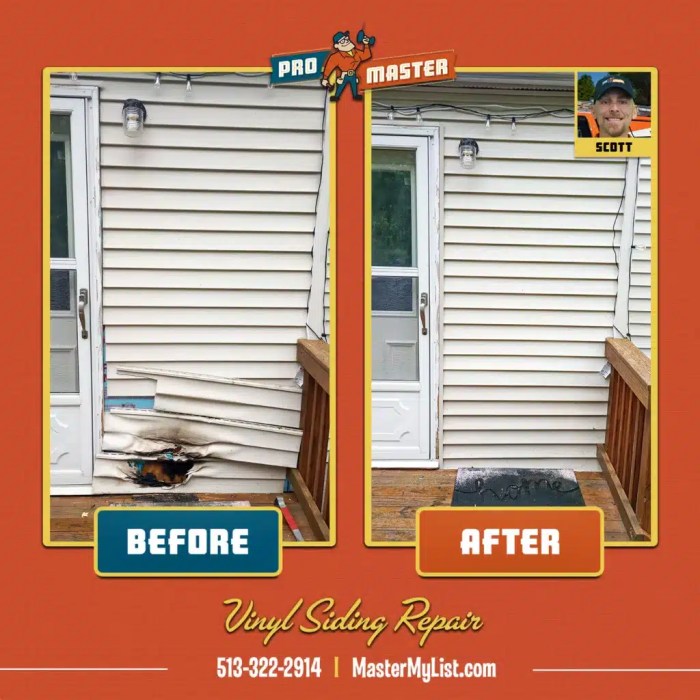
When it comes to vinyl siding, there are several common issues that homeowners may encounter. These problems can range from minor cosmetic issues to more serious structural concerns. It's essential to address these problems promptly to prevent further damage and maintain the appearance and integrity of your home's exterior.
Cracks
Cracks are a common issue with vinyl siding and can be caused by a variety of factors such as impact damage, extreme temperature changes, or improper installation. These cracks can allow moisture to seep behind the siding, leading to more significant problems like mold or mildew growth.
Fading
Over time, exposure to the sun's UV rays can cause vinyl siding to fade, losing its original color and vibrancy. This fading can make your home look dull and worn out, affecting its curb appeal. Regular maintenance and cleaning can help prevent fading, but eventually, the siding may need to be replaced to restore its appearance.
Warping
Warping occurs when vinyl siding panels become distorted or bent out of shape. This can happen due to prolonged exposure to heat or moisture, causing the panels to lose their original form. Warped siding not only looks unattractive but can also affect the insulation and energy efficiency of your home.
Loose Panels
Loose panels are another common issue with vinyl siding and can be caused by improper installation, aging, or severe weather conditions. When panels come loose, they can allow pests to enter your home, reduce the siding's ability to protect against the elements, and compromise the overall stability of the siding.Environmental factors such as sun exposure, temperature fluctuations, humidity levels, and severe weather conditions can all contribute to the deterioration of vinyl siding.
Additionally, the age of the siding plays a significant role in its condition. As vinyl siding ages, it becomes more susceptible to damage, fading, warping, and other issues. Regular inspections and maintenance can help identify and address these problems before they escalate and become more costly to repair.
DIY Repair Tips
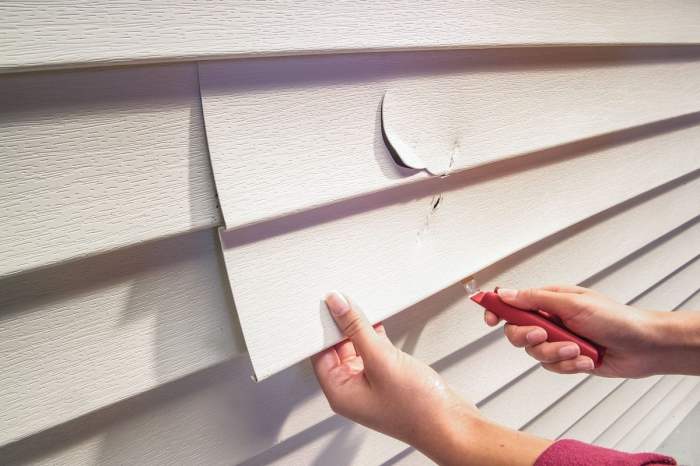
When it comes to minor vinyl siding repairs, you can save time and money by tackling the job yourself. With the right tools, materials, and safety precautions, you can successfully repair small issues without having to call in a professional.
Step-by-Step Repair Instructions
- Assess the damage: Identify the areas of your vinyl siding that need repair, such as cracks, holes, or loose panels.
- Clean the area: Before starting any repairs, make sure to clean the damaged area with soap and water to remove dirt and debris.
- Prepare the surface: Use a scraper to remove any loose or chipped paint, and sand down rough edges to create a smooth surface.
- Apply caulk or adhesive: For small cracks or holes, use a vinyl siding caulk or adhesive to fill in the damaged area and secure any loose panels.
- Paint or seal: Once the repair is complete, you may need to paint or seal the area to match the rest of your siding and provide extra protection.
Essential Tools and Materials
- Vinyl siding caulk or adhesive
- Scraper and sandpaper
- Paint or sealant
- Utility knife
- Caulking gun
Safety Precautions
- Wear gloves and safety goggles to protect your hands and eyes from sharp edges and debris.
- Work on a stable surface and use a ladder if needed, making sure it is secured properly.
- Avoid working in extreme weather conditions, such as high winds or extreme heat, as this can affect the effectiveness of your repairs.
- If you are unsure about any aspect of the repair process, seek advice from a professional or refer to manufacturer guidelines.
Hiring a Professional
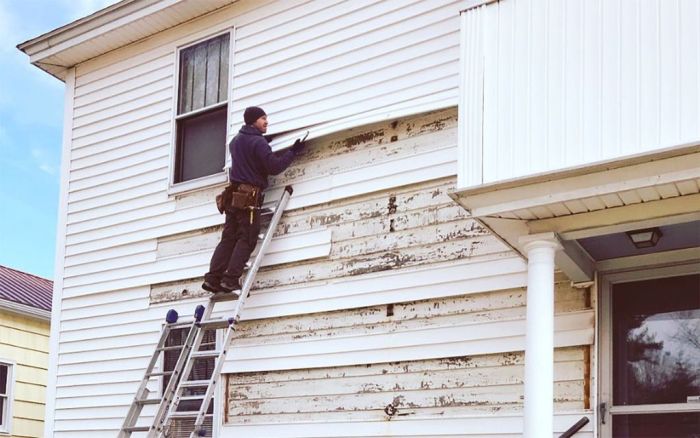
When it comes to vinyl siding repair, hiring a professional can offer several advantages over attempting a DIY repair. Professionals have the experience, knowledge, and tools necessary to ensure the job is done correctly and efficiently. They can also help identify any underlying issues that may not be apparent to an untrained eye.
Advantages of Hiring a Professional
- Quality Work: Professionals have the expertise to deliver high-quality repairs that can last longer and withstand various weather conditions.
- Time-Saving: Hiring a professional can save you time and effort, as they can complete the repair quickly and efficiently.
- Guarantees: Many professionals offer guarantees or warranties on their work, providing you with peace of mind.
Finding Reputable Contractors
- Ask for Recommendations: Seek recommendations from friends, family, or neighbors who have had siding repairs done.
- Check Reviews: Look for online reviews and ratings to gauge the reputation of different contractors.
- Verify Credentials: Ensure that the contractor is licensed, insured, and has the necessary certifications for siding repair.
Cost Comparison
- Professional Repair: While hiring a professional may cost more upfront, it can save you money in the long run by avoiding costly mistakes and ensuring the job is done right the first time.
- DIY Options: DIY repairs may seem more cost-effective initially, but if not done correctly, they can lead to further damage and additional expenses in the future.
Closing Summary
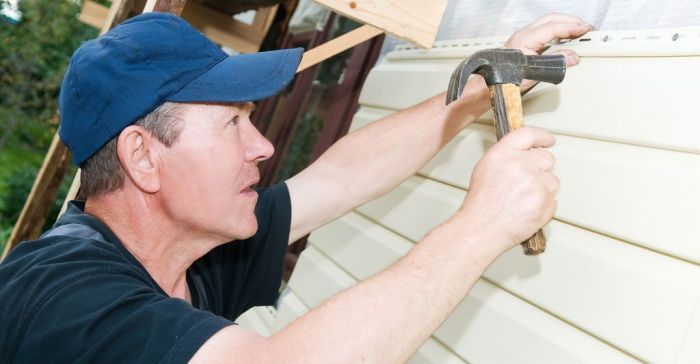
In conclusion, vinyl siding repair near me is not just about fixing cracks and warping—it's about preserving the beauty and value of your home. By taking proactive steps and seeking expert help when needed, you can ensure your vinyl siding remains in top-notch condition for years to come.
General Inquiries
How often should I repair my vinyl siding?
It's recommended to inspect your vinyl siding annually and address any issues promptly to prevent further damage.
Can I repaint my vinyl siding instead of repairing it?
Repainting vinyl siding is possible, but it's essential to follow proper preparation and use paint specifically designed for vinyl surfaces.
What are the signs that indicate I need professional vinyl siding repair?
Signs like extensive damage, severe warping, or issues affecting structural integrity warrant professional repair to ensure quality results.