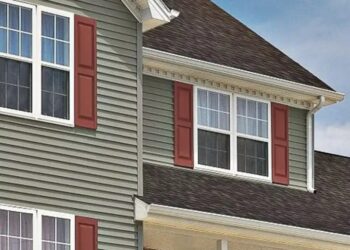

Dive into the world of house siding costs with this detailed exploration that sheds light on the various factors influencing pricing. From materials to labor, this topic covers it all, offering valuable insights for homeowners and DIY enthusiasts alike.
Discover the nuances of siding costs, from the impact of house size to the differences in pricing across different regions.
Factors Affecting House Siding Cost
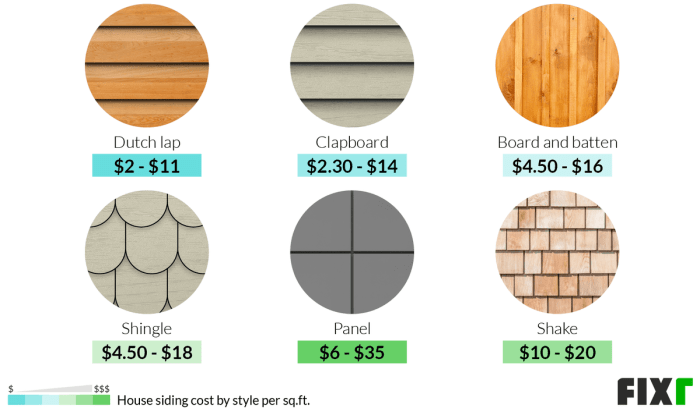
When it comes to determining the cost of house siding, several factors come into play. Let's explore how different elements impact the overall cost.
Siding Materials
The choice of siding material significantly influences the total cost of the project. For example, vinyl siding tends to be more budget-friendly compared to premium options like fiber cement or natural wood siding. Factors such as durability, maintenance requirements, and aesthetic appeal also play a role in the cost variations.
House Size
The size of your house directly affects the amount of siding needed, which in turn impacts the cost. Larger homes require more materials and labor to complete the installation, leading to higher overall expenses. On the other hand, smaller homes may have lower siding costs due to their reduced material requirements.
Labor Costs
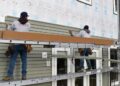
Labor costs play a significant role in determining the total siding cost. The complexity of the installation, the skill level of the workers, and the time required to complete the project all contribute to the labor expenses. It's essential to factor in labor costs when budgeting for your siding project.
Geographic Location
The cost of house siding can vary based on your geographic location. Factors such as local labor rates, availability of materials, and climate conditions can all impact the overall cost of the project. It's important to consider regional cost differences when planning for your siding installation.
Popular Siding Materials and Their Costs
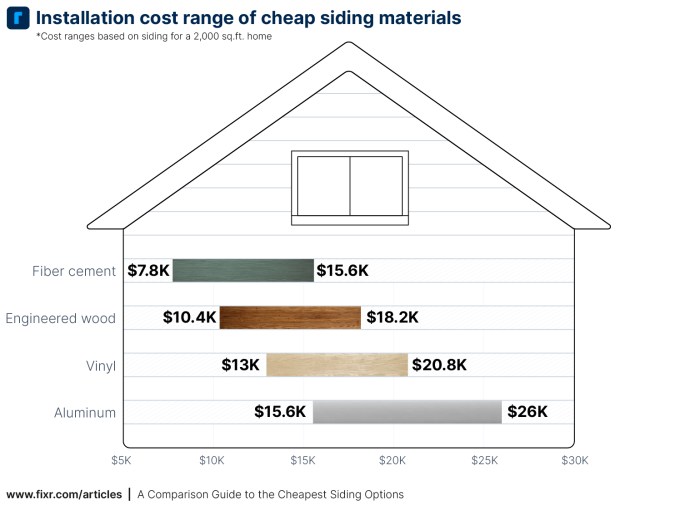
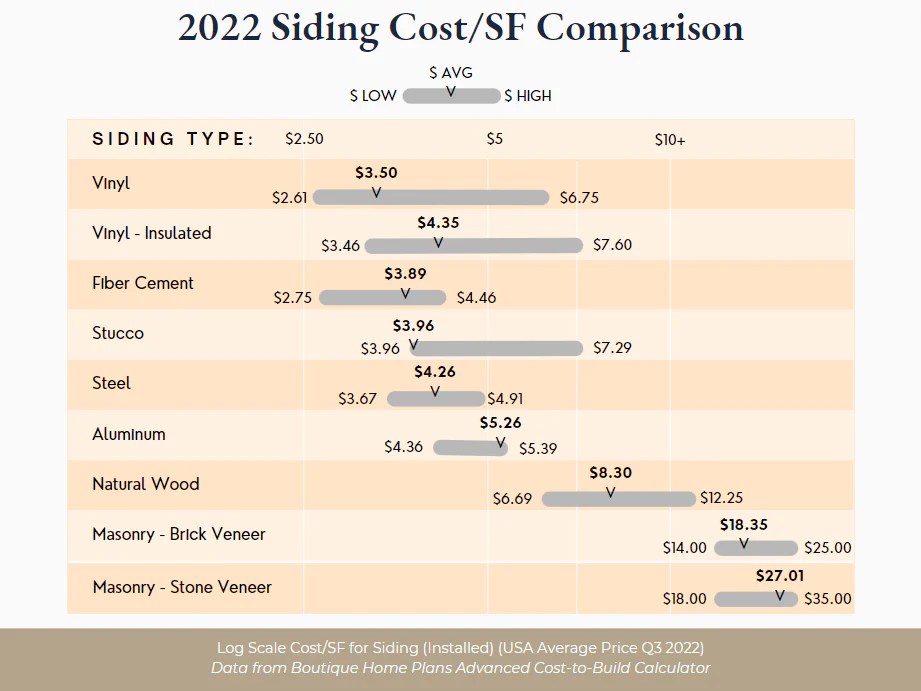
When considering house siding options, it's essential to understand the costs associated with different materials to make an informed decision.
Vinyl Siding
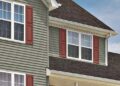
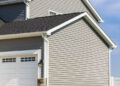
Vinyl siding is a popular choice due to its affordability and low maintenance requirements. On average, the cost of vinyl siding installation ranges from $3 to $7 per square foot. This makes it one of the most budget-friendly options for homeowners.
Fiber Cement Siding
Fiber cement siding is known for its durability and resistance to harsh weather conditions. The cost of fiber cement siding installation typically falls between $5 to $12 per square foot. While it may be more expensive than vinyl, the longevity and minimal maintenance required make it a cost-effective choice in the long run.
Wood and Engineered Wood Siding
Wood siding is a classic choice that adds a natural and timeless look to a home. The cost of wood siding can vary greatly depending on the type of wood used, with prices ranging from $6 to $15 per square foot.
Engineered wood siding, which is made from a combination of wood fibers and resin, offers a more affordable alternative with costs ranging from $4 to $8 per square foot.
Metal Siding
Metal siding options, such as aluminum or steel, provide a modern and sleek aesthetic to a home. The cost of metal siding installation can range from $5 to $15 per square foot, depending on the type of metal chosen. Factors that influence the cost include the gauge of the metal, finish, and any additional insulation or customization required.
Additional Costs to Consider
When budgeting for house siding, it's crucial to account for various additional costs that can impact the total expenses. From hidden costs to long-term maintenance implications, understanding these factors is essential for an accurate estimation of the overall investment.
Impact of Insulation and Underlayment Costs
Insulation and underlayment are crucial components of the siding installation process, as they contribute to the energy efficiency and structural integrity of the home. While these costs may not be immediately visible, investing in quality insulation and underlayment can lead to long-term savings on energy bills and prevent potential damage to the siding materials.
- High-quality insulation materials can increase the upfront cost but result in lower energy bills over time.
- Proper underlayment installation can help prevent water damage and improve the lifespan of the siding.
- Consider consulting with a professional to determine the best insulation and underlayment options for your specific needs.
Complexity of House Design
The complexity of your house design can significantly impact the overall siding costs. Factors such as the number of corners, gables, and unique architectural features can increase the labor and material expenses required for the installation.
- Homes with intricate designs may require custom-cut siding materials, leading to higher material costs.
- Complex house designs can also prolong the installation process, resulting in higher labor costs.
- Discuss the design intricacies with your contractor to understand how they may affect the overall siding expenses.
Cost Implications of Maintenance and Long-Term Durability
While initial siding costs are a significant consideration, it's essential to also factor in maintenance and long-term durability expenses. Choosing durable siding materials that require minimal upkeep can lead to cost savings in the long run.
- Regular maintenance, such as cleaning and repainting, can add to the overall cost of siding ownership.
- Opting for high-quality, durable siding materials can reduce the need for frequent repairs and replacements.
- Consider the long-term durability of the siding materials to ensure a cost-effective investment in the upkeep of your home's exterior.
Cost-Saving Tips and Strategies
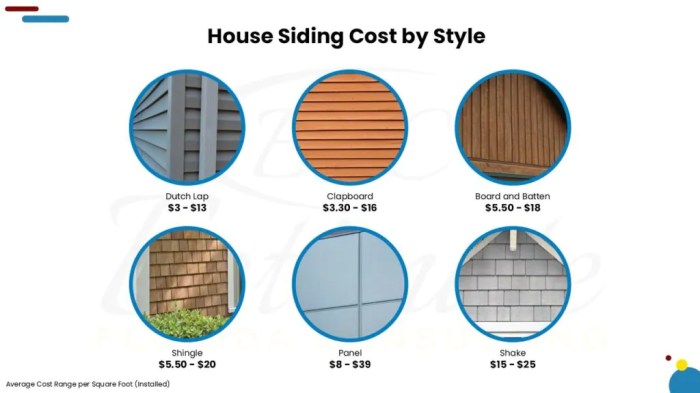
When it comes to house siding costs, there are several strategies you can employ to save money in the long run. From negotiating with contractors to choosing cost-effective materials, these tips can help you stay within budget while still achieving a great look for your home.
Negotiating with Contractors
- Get multiple quotes from different contractors to compare pricing and services offered.
- Ask if the contractor offers discounts for off-peak seasons or bundling multiple services together.
- Be open to negotiation and discuss any concerns or budget constraints upfront to find a mutually beneficial solution.
- Avoid making rushed decisions and take your time to evaluate all options before committing to a contract.
DIY Options and Cost Savings
- Consider taking on some of the siding installation tasks yourself, such as painting or minor repairs, to reduce labor costs.
- Research online tutorials and guides for DIY siding projects to ensure you have the necessary skills and tools for the job.
- Consult with professionals for advice and guidance on DIY projects to avoid costly mistakes or safety hazards.
Proper Maintenance for Long-Term Savings
- Regularly inspect and clean your siding to prevent damage and prolong its lifespan.
- Address any issues or repairs promptly to avoid costly replacements or extensive repairs in the future.
- Invest in quality materials and professional installation to ensure durability and minimize maintenance costs over time.
Selecting Cost-Effective Siding Materials
- Explore different siding materials and compare their costs, durability, and maintenance requirements before making a decision.
- Consider vinyl or fiber cement siding as cost-effective options that offer long-term value and aesthetic appeal.
- Avoid trendy or high-maintenance materials that may require frequent repairs or replacements, increasing overall expenses.
Closing Summary
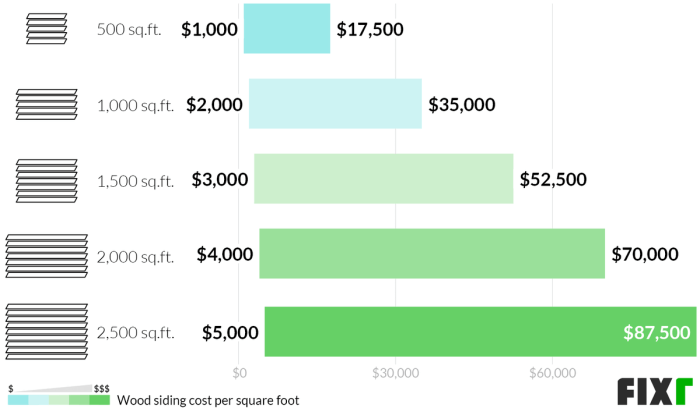
In conclusion, understanding the intricacies of house siding costs is key to making informed decisions about your home. Whether you're considering a renovation or simply curious about the expenses involved, this discussion provides a comprehensive overview that can guide you in the right direction.
Key Questions Answered
What factors can affect the cost of house siding?
The type of siding material, house size, labor costs, and geographic location all play a role in determining the overall cost.
Are there any hidden costs associated with house siding?
Homeowners should consider insulation, underlayment, maintenance, and long-term durability costs in addition to the initial siding expenses.
How can homeowners save on house siding costs?
Negotiating with contractors, exploring DIY options, and opting for cost-effective yet durable materials are effective strategies for saving on siding expenses.