
Delving into the world of siding upgrade services, this article aims to shed light on the importance of this home improvement project. From boosting curb appeal to increasing energy efficiency, new siding can truly transform your living space. Let's explore the ins and outs of siding upgrades and how they can benefit your home.
Importance of Siding Upgrade Services
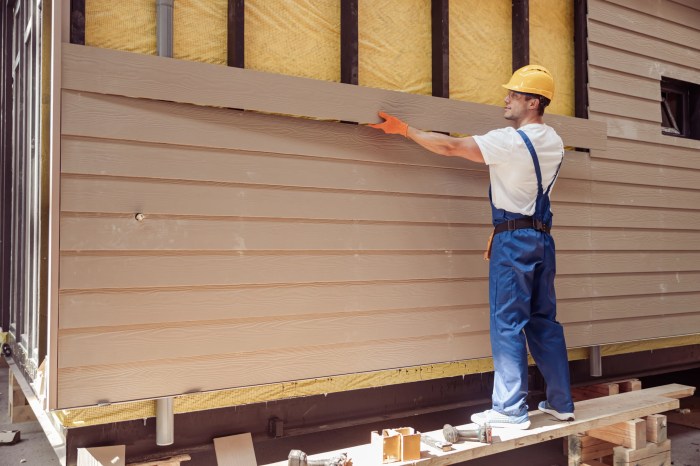
Upgrading the siding of a home can bring various benefits that go beyond just improving the appearance of the property.
Enhanced Curb Appeal
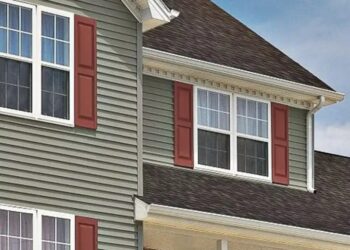
One of the key advantages of upgrading siding is the significant enhancement it can bring to the curb appeal of a home. New siding can give a fresh and modern look to the exterior, increasing the overall attractiveness of the property.
Improved Energy Efficiency
Another important benefit of siding upgrades is the potential improvement in energy efficiency. Modern siding materials are designed to provide better insulation, helping to regulate indoor temperatures more effectively and reducing the need for excessive heating or cooling.
Types of Siding Materials
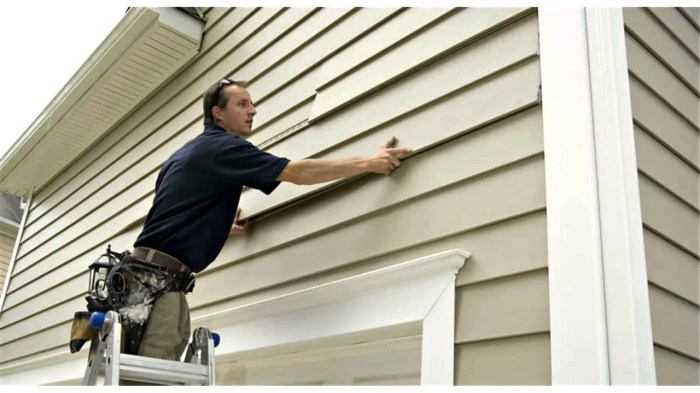
When considering a siding upgrade, it is crucial to understand the different types of materials available. Each type of siding material comes with its own set of benefits and considerations, including durability and maintenance requirements.
Vinyl Siding
- One of the most popular siding options due to its affordability and low maintenance.
- Durable and resistant to rot, insect damage, and fading.
- Easy to clean with just soap and water.
- Available in a wide range of colors and styles to suit any home.
Wood Siding
- Provides a classic, natural look that can enhance the aesthetic of a home.
- Requires more maintenance than other siding materials, including regular painting or staining to prevent rot and decay.
- Can be prone to insect damage if not properly maintained.
- Higher initial cost compared to vinyl siding.
Fiber Cement Siding
- Combines the look of wood with the durability of cement.
- Resistant to fire, rot, and termites.
- Low maintenance, requiring only occasional painting or caulking.
- Long lifespan, with some warranties lasting up to 50 years.
Metal Siding
- Durable and resistant to fire, insects, and rot.
- Can be prone to denting and scratching, especially in areas prone to severe weather.
- Requires professional installation due to its weight and specialized tools needed.
- Available in a variety of metals, including aluminum and steel.
Process of Siding Upgrade
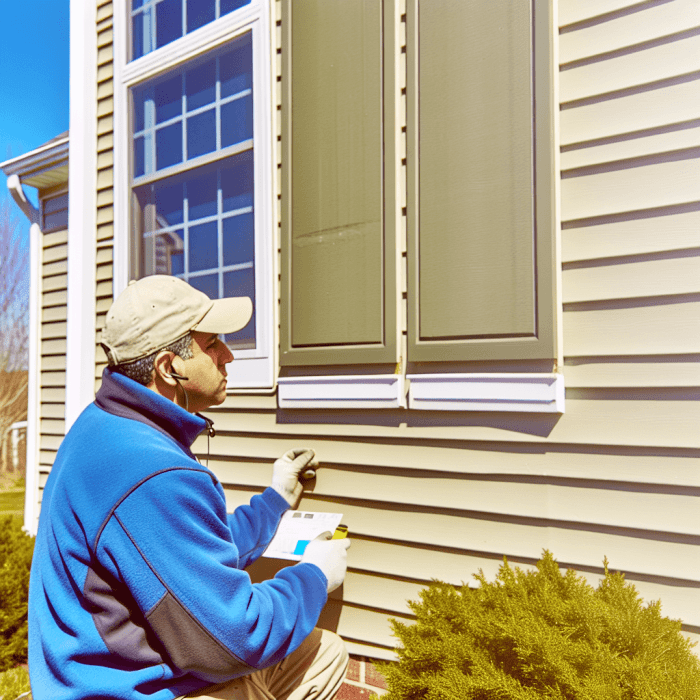
Replacing siding on a house is a significant home improvement project that can enhance curb appeal, improve energy efficiency, and protect the structure from the elements. Here we will discuss the steps involved in replacing siding, tips for preparing the house for new siding installation, and the importance of hiring professional contractors for the upgrade.
Steps Involved in Replacing Siding
- Assessment: Start by assessing the current condition of the existing siding to determine the extent of the replacement needed.
- Material Selection: Choose the type of siding material that best suits your needs and budget.
- Preparation: Remove the old siding, repair any underlying damage, and prepare the surface for the new siding installation.
- Installation: Install the new siding according to manufacturer guidelines, ensuring proper alignment and fastening.
- Finishing Touches: Add trims, corner pieces, and other finishing touches to complete the look and ensure a polished appearance.
Tips for Preparing the House for New Siding Installation
- Clean the exterior: Remove any dirt, debris, or mildew from the exterior walls before installation.
- Trim landscaping: Trim back bushes, trees, and plants near the house to provide easy access for the installation crew.
- Clear the area: Remove outdoor furniture, decorations, and obstacles from around the house to allow for a smooth installation process.
- Protect windows and doors: Cover windows and doors with plastic sheeting to prevent any damage during the siding replacement.
Importance of Hiring Professional Contractors for the Upgrade
- Expertise: Professional contractors have the experience and skills to ensure a high-quality installation that meets industry standards.
- Efficiency: Hiring professionals can save time and ensure that the project is completed in a timely manner.
- Warranty: Many professional contractors offer warranties on their work, providing peace of mind and protection for the homeowner.
- Safety: Professional contractors have the necessary equipment and training to safely install siding without risk of injury.
Cost Considerations
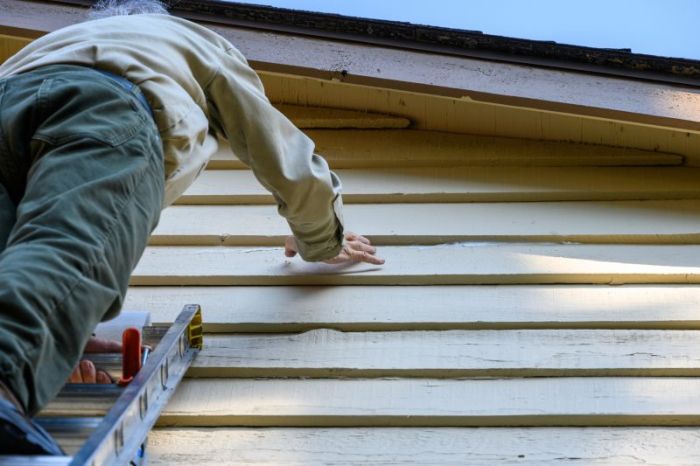
When planning a siding upgrade for your home, it is essential to consider the cost factors involved in the project. Understanding the breakdown of costs, comparing different siding materials and installation services, and learning how to budget effectively can help you make informed decisions and ensure a successful upgrade.
Breakdown of Costs
- Material Costs: The type of siding material you choose will significantly impact the overall cost of the project. Vinyl siding is generally more affordable compared to options like fiber cement or wood.
- Labor Costs: Hiring professional installation services will incur labor costs, which can vary depending on the complexity of the project and the experience of the contractors.
- Additional Costs: Factor in any additional expenses such as permits, disposal fees for old siding, and potential repairs or modifications to the exterior of your home.
Comparing Costs
- Vinyl Siding: Typically the most budget-friendly option, with lower material and installation costs.
- Fiber Cement Siding: Offers durability and a higher initial cost compared to vinyl, but requires less maintenance in the long run.
- Wood Siding: Aesthetically pleasing but can be more expensive upfront due to material costs and maintenance requirements.
Budgeting Tips
- Get Multiple Quotes: Obtain quotes from different siding contractors to compare prices and services offered.
- Plan for Contingencies: Set aside a contingency fund for unexpected expenses that may arise during the project.
- Consider Energy Efficiency: Investing in energy-efficient siding can lead to long-term savings on heating and cooling costs.
Last Recap
To wrap up our discussion on siding upgrade services, it's evident that this investment not only enhances the aesthetics of your home but also offers practical benefits like improved energy efficiency. Whether you opt for vinyl, wood, fiber cement, or metal siding, the key is to prioritize quality and professional installation for long-lasting results.
Embark on your siding upgrade journey today and elevate your home's appeal and functionality.
Popular Questions
What are the benefits of upgrading siding for a home?
Upgrading siding can enhance curb appeal, improve energy efficiency, and increase the overall value of your home.
What are the different types of siding materials available?
Common siding materials include vinyl, wood, fiber cement, and metal, each with its unique advantages and durability.
How can I prepare my house for new siding installation?
Prior to installation, ensure proper cleaning, repair any underlying issues, and clear the area around your home for easy access.
What factors contribute to the cost of a siding upgrade?
The cost of siding upgrade is influenced by material choice, installation services, and the size of your home.
Why is it important to hire professional contractors for siding upgrades?
Professional contractors have the expertise to ensure proper installation, leading to a durable and high-quality end result.