
Delve into the world of professional vinyl siding installation with this comprehensive guide. From the importance of expert installation to the tools used and common mistakes to avoid, this article covers it all. Get ready to elevate your knowledge on this essential home improvement topic.
Importance of Professional Vinyl Siding Installation
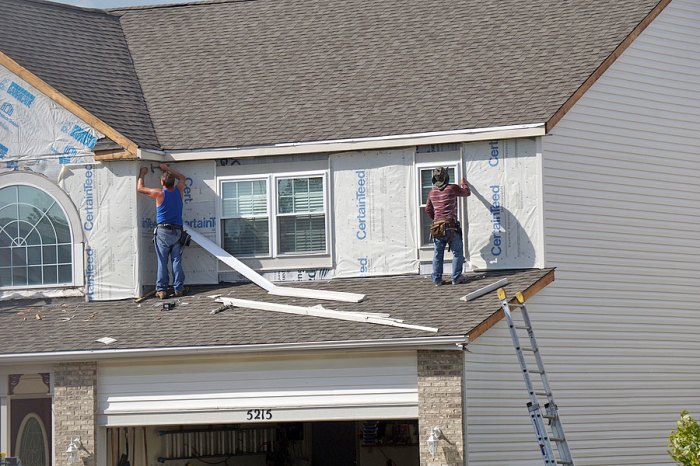
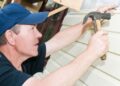
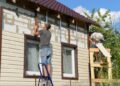
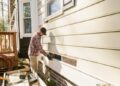
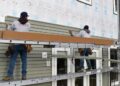
When it comes to installing vinyl siding, hiring professionals is essential to ensure a high-quality outcome. Professional installation not only enhances the durability and aesthetics of your home but also helps prevent potential maintenance issues down the line.
Enhanced Durability
Professional installers have the expertise and experience to properly secure the vinyl siding to your home, ensuring it can withstand various weather conditions and external elements. This secure installation can significantly increase the lifespan of your siding, saving you money on repairs and replacements in the long run.
Improved Aesthetics
Expert installation results in a seamless and visually appealing finish for your vinyl siding. Professionals know how to align and position the siding correctly, creating a cohesive look that enhances the overall curb appeal of your home. Their attention to detail can make a significant difference in the final appearance of your property.
Prevent Future Maintenance Issues
By hiring professionals for vinyl siding installation, you can avoid common issues such as warping, buckling, or gaps that may arise from improper installation. These issues not only compromise the look of your home but can also lead to water damage and other structural problems.
Professional installers use the right techniques to ensure your siding remains secure and intact for years to come.
Steps Involved in Professional Vinyl Siding Installation
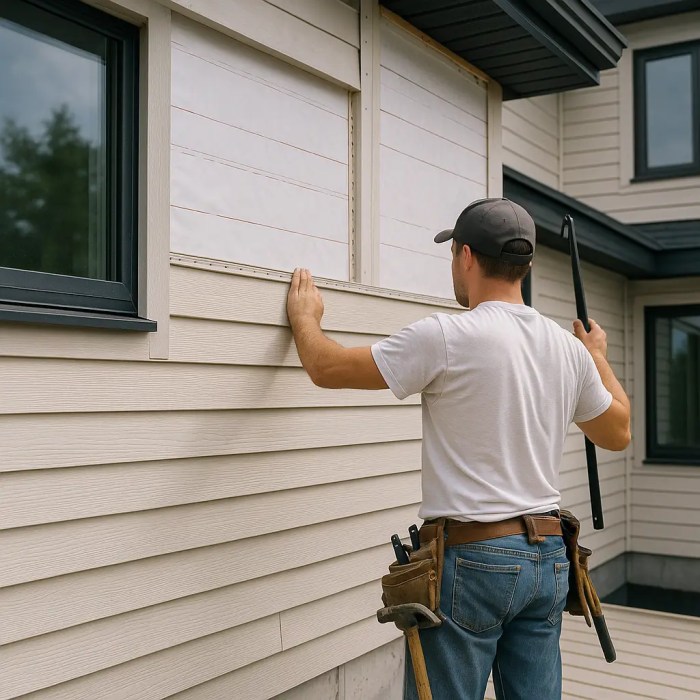
Installing vinyl siding requires a series of meticulous steps to ensure a seamless and durable finish. Let's delve into the process followed by professionals to achieve a high-quality installation.
Preparation Work
Before the actual installation begins, professionals undertake crucial preparation work to set the stage for a successful project. This includes:
- Inspecting the exterior of the building to identify any repairs or adjustments needed before siding installation.
- Cleaning the surface thoroughly to remove dirt, debris, and any existing siding materials.
- Applying a moisture barrier to protect the structure from water damage and ensure longevity of the siding.
Precise Measurements and Secure Fit
To guarantee a precise fit and secure installation, professionals take the following measures:
- Accurately measuring the dimensions of the building to determine the amount of siding needed.
- Cutting the vinyl panels with precision to match the specific measurements of each section of the exterior.
- Securing the siding panels firmly in place, ensuring they are level and aligned correctly for a seamless look.
- Using specialized tools and techniques to fasten the siding securely to the structure, preventing any potential issues in the future.
Tools and Equipment Used in Vinyl Siding Installation
When it comes to professional vinyl siding installation, having the right tools and equipment is crucial for a successful outcome. These tools not only make the installation process smoother but also ensure that the siding is properly installed to last for years to come.
Essential Tools and Equipment
- Vinyl Siding Nailer: This specialized nail gun is designed to securely fasten vinyl siding to the exterior of a building, providing a quick and efficient installation process.
- Utility Knife: Used for cutting and trimming vinyl siding panels to fit around windows, doors, and corners with precision.
- Tin Snips: Essential for cutting through thicker pieces of siding or making curved cuts to accommodate unique architectural features.
- Level: Ensures that the siding panels are installed straight and level, maintaining the overall aesthetic appeal of the exterior.
- Caulk Gun: Used to apply sealant or caulk around windows, doors, and other openings to prevent water infiltration and improve energy efficiency.
Purpose of Each Tool
- The vinyl siding nailer allows for quick and secure attachment of siding panels without damaging the material.
- A utility knife is essential for precise cuts, ensuring a seamless fit and professional finish.
- Tin snips provide the flexibility to cut vinyl siding to accommodate various angles and shapes, maintaining a clean appearance.
- A level ensures that the siding panels are installed evenly, preventing any visual imperfections or misalignment.
- A caulk gun helps seal gaps and joints, protecting the building from water damage and improving insulation.
Contribution to Successful Installation
- Having the right tools ensures efficiency and accuracy during the installation process, reducing the likelihood of errors or rework.
- Proper tools contribute to a professional finish, enhancing the curb appeal and overall value of the property.
- Using the correct tools also increases the durability of the vinyl siding, preventing issues such as warping, buckling, or moisture infiltration over time.
Common Mistakes to Avoid in Vinyl Siding Installation
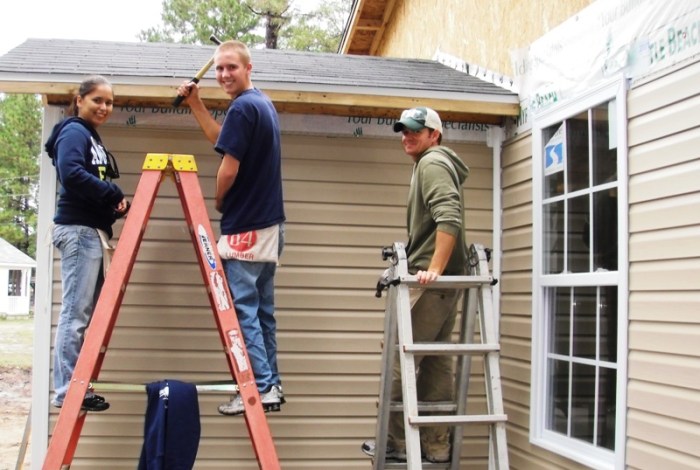
When it comes to installing vinyl siding, there are common mistakes that non-professionals often make. These errors can lead to issues down the line if not addressed properly. Here are some tips on how to avoid these mistakes for a seamless installation:
Improper Siding Alignment
One of the most common mistakes in vinyl siding installation is improper alignment. This can result in an uneven appearance and potentially compromise the integrity of the siding. To avoid this mistake, always take the time to measure and align each piece correctly before installation.
Incorrect Nail Placement
Another mistake is placing nails too tightly or too loosely. Nails that are too tight can cause the siding to buckle, while nails that are too loose can lead to the siding pulling away from the wall. Make sure to follow manufacturer guidelines for nail placement to ensure a secure installation.
Skipping Waterproofing Steps
Some DIY installers skip important waterproofing steps, such as installing a moisture barrier or flashing. This can result in water damage and mold growth behind the siding. Always follow proper waterproofing procedures to protect your home from moisture infiltration.
Not Allowing for Expansion and Contraction
Vinyl siding expands and contracts with changes in temperature, so it's crucial to leave space for this movement. Failing to account for expansion and contraction can lead to buckling or warping of the siding. Be sure to follow manufacturer recommendations for allowing proper clearance.
Overlapping Incorrectly
Incorrectly overlapping vinyl siding panels can create gaps where water can seep in. This can lead to water damage and compromise the insulation of your home. Always follow the manufacturer's instructions for proper panel overlap to prevent this issue.
Cost Factors Associated with Professional Vinyl Siding Installation
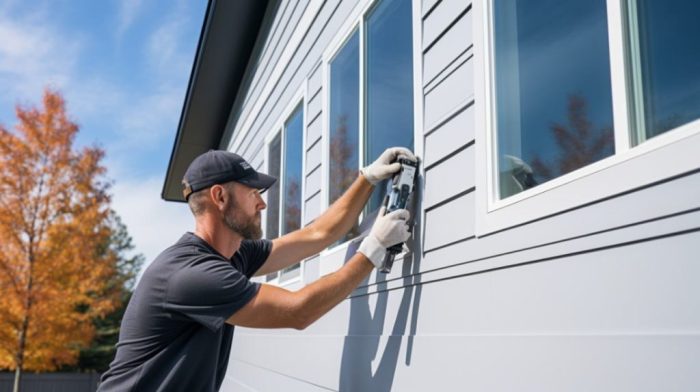
When considering professional vinyl siding installation, it's essential to understand the various cost factors involved. Here, we will break down the costs, compare the cost-effectiveness with DIY methods, and explain how different factors can impact the overall cost of installation.
Breakdown of Costs
- Labor Costs: One of the major components of the cost is the labor involved in the installation process. Professional installers will charge a fee for their expertise and time.
- Materials: The cost of materials such as vinyl siding panels, trim pieces, fasteners, and sealants will contribute to the overall cost.
- Equipment Rental: In some cases, specialized equipment may be required for the installation, which can add to the expenses.
Comparison with DIY Methods
- While opting for professional installation may seem more expensive upfront, it can actually be more cost-effective in the long run. Professionals ensure proper installation, reducing the risk of errors that could lead to costly repairs down the line.
- DIY methods may appear cheaper at first, but mistakes made during the installation process can result in additional expenses to rectify the errors.
Factors Impacting Overall Cost
- Size of the Project: The size of the area to be covered with vinyl siding will directly impact the overall cost, with larger projects costing more.
- Complexity of Design: Intricate designs or patterns may require more time and labor, increasing the overall cost of installation.
- Location: The location of the property can also affect the cost, with factors such as accessibility and local labor rates playing a role.
Conclusive Thoughts
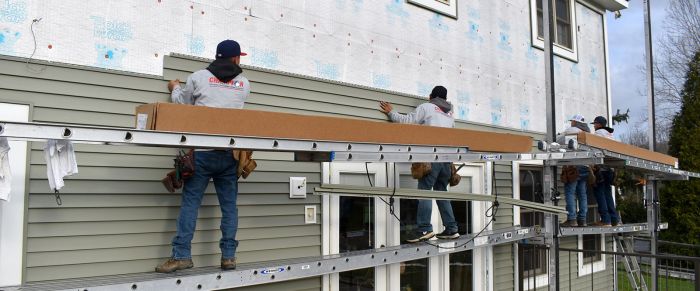
In conclusion, professional vinyl siding installation is not just about aesthetics but also about ensuring long-lasting durability for your home. By understanding the process and cost factors associated with expert installation, you can make informed decisions for your property. Upgrade your home with confidence and style through professional vinyl siding installation today.
Detailed FAQs
What are the benefits of hiring professionals for vinyl siding installation?
Professional installation ensures durability, aesthetics, and can prevent future maintenance issues.
What tools are essential for vinyl siding installation?
Essential tools include a level, tape measure, utility knife, and zip tool for professional installation.
How do cost factors vary in professional vinyl siding installation compared to DIY methods?
Hiring professionals may initially cost more but can save money in the long run by preventing installation errors and maintenance issues.