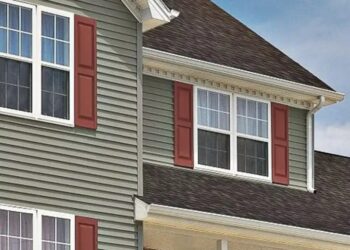

Exploring the world of exterior siding replacement, this guide dives into the benefits, types of materials, cost considerations, hiring a contractor, and the process involved. Whether you're looking to boost curb appeal or improve energy efficiency, this comprehensive overview has you covered.
Benefits of Exterior Siding Replacement
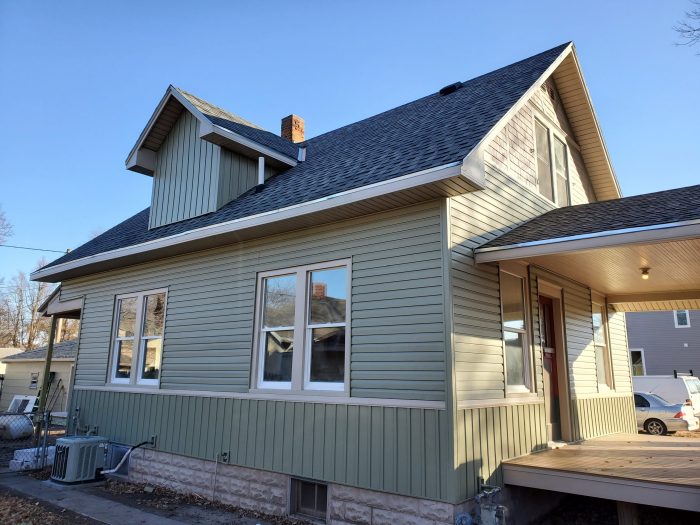
Replacing the exterior siding of your home comes with a multitude of benefits that can greatly enhance the overall look and efficiency of your property.
Enhanced Curb Appeal
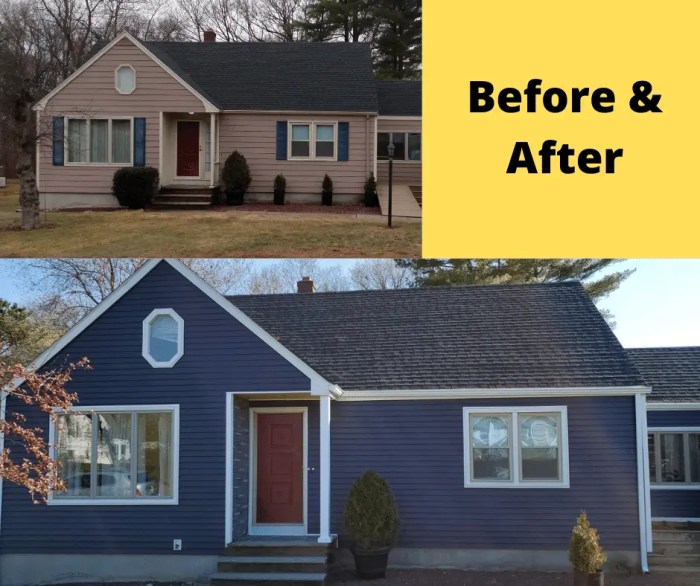
Upgrading your siding can instantly transform the appearance of your home, giving it a fresh and modern look that boosts its curb appeal. New siding can improve the aesthetic appeal of your property, making it more attractive to potential buyers or simply creating a welcoming facade for you and your guests.
Improved Energy Efficiency
Updated siding can also contribute to better energy efficiency for your home. By choosing high-quality, insulated siding materials, you can reduce heat loss during the winter and keep your home cooler in the summer. This can lead to lower energy bills and a more comfortable living environment year-round.
Types of Exterior Siding Materials
When it comes to exterior siding materials, there are several common options available, each with its own set of characteristics and advantages. Let's explore some of the most popular choices and compare their durability and maintenance requirements.
Vinyl Siding
Vinyl siding is a popular choice due to its affordability, versatility, and low maintenance requirements. It is durable, resistant to rot and insects, and comes in a variety of colors and styles. However, it may crack or fade over time, especially in extreme weather conditions.
Wood Siding
Wood siding offers a timeless and natural look that many homeowners appreciate. It can be painted or stained in various colors and provides good insulation. However, wood siding requires regular maintenance, including painting or staining, to prevent rot, mold, and insect damage.
Fiber Cement Siding
Fiber cement siding is a durable and low-maintenance option that is resistant to fire, rot, and insects. It can mimic the look of wood or masonry and comes in a variety of textures. While it is more expensive upfront, it requires minimal maintenance and has a long lifespan.
Metal Siding
Metal siding, such as aluminum or steel, is known for its strength, durability, and resistance to pests and rot. It is lightweight, easy to install, and comes in various finishes. However, it may dent or scratch easily, especially in severe weather conditions.
Cost Considerations
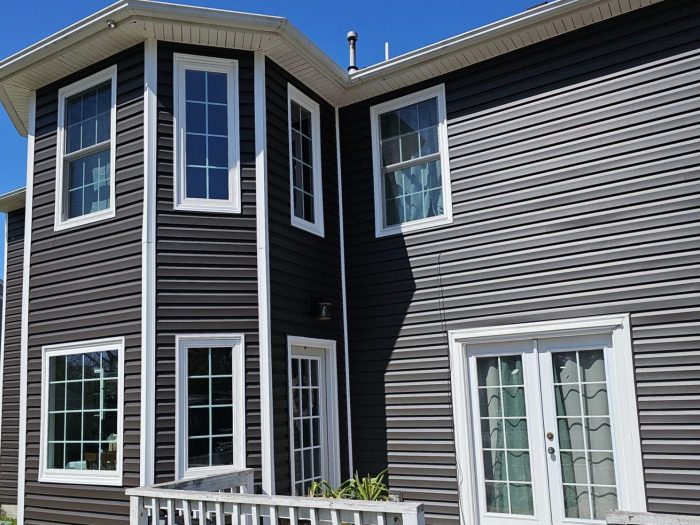
When considering exterior siding replacement, there are several factors that can influence the overall cost of the project. The size of the home, choice of materials, labor costs, and any additional features or customization can all play a role in determining the final price.
Factors Influencing Cost
- The size of the home: The larger the home, the more materials and labor will be required, leading to a higher overall cost.
- Choice of materials: Different siding materials come at varying price points, with some options being more expensive than others.
- Labor costs: Hiring professionals to install the siding will add to the total cost, with more experienced contractors typically charging higher rates.
- Additional features: Customizations such as trim work, insulation, or decorative elements can increase the cost of the project.
Potential Cost Savings
- Long-term durability: Investing in high-quality siding materials may have a higher upfront cost but can result in long-term savings by reducing maintenance and replacement needs.
- Energy efficiency: Certain siding materials, such as insulated vinyl or fiber cement, can improve the energy efficiency of the home, leading to lower heating and cooling costs over time.
- Low maintenance: Choosing siding materials that require minimal upkeep can save money on maintenance and repairs in the long run.
Hiring a Contractor for Exterior Siding Replacement
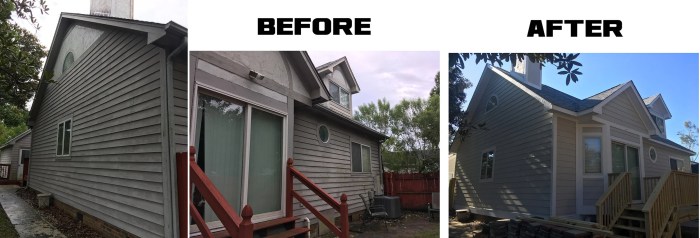
When it comes to replacing your exterior siding, hiring a reputable contractor is crucial to ensure a successful and satisfactory outcome. Here are some tips to help you select the right contractor for the job.
Choosing a Reputable Siding Contractor
Before hiring a siding contractor, it is important to do your research and consider the following:
- Ask for recommendations from friends, family, or neighbors who have recently had their siding replaced.
- Check online reviews and ratings of potential contractors to get an idea of their reputation.
- Verify the contractor's credentials and experience in handling exterior siding replacement projects.
Checking for Licenses and Insurance
It is essential to ensure that the siding contractor you choose is properly licensed and insured. This protects you in case of any accidents or damages that may occur during the project.
Always ask the contractor to provide proof of insurance and licensing before hiring them for the job.
Obtaining and Comparing Multiple Quotes
Before making a decision, it is advisable to obtain quotes from at least three different siding contractors. This allows you to compare pricing, services offered, and timelines for the project.
Be wary of contractors who provide significantly lower quotes than others, as this could be a red flag for subpar workmanship or the use of inferior materials.
Process of Exterior Siding Replacement
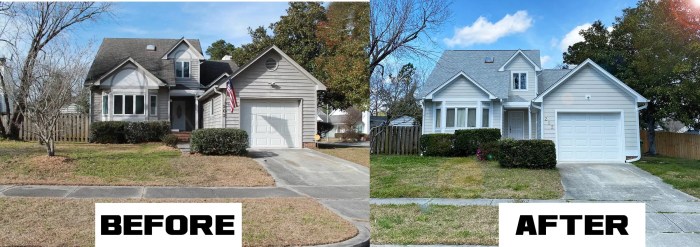
Replacing exterior siding involves several crucial steps to ensure a successful outcome. Proper preparation and attention to detail are essential to avoid common challenges that may arise during the replacement process.
Step 1: Inspection and Assessment
Prior to starting the replacement, a thorough inspection of the existing siding is conducted to identify any damage, rot, or mold. This assessment helps determine the extent of the replacement needed and any underlying issues that must be addressed.
Step 2: Material Selection
Once the assessment is complete, the next step is to choose the appropriate siding material based on factors such as durability, maintenance requirements, and aesthetic preferences. Common options include vinyl, wood, fiber cement, and metal.
Step 3: Removal of Old Siding
The old siding is carefully removed, taking care to avoid damaging the underlying structure. This step may reveal additional damage or issues that need to be addressed before installing the new siding.
Step 4: Installation of New Siding
The new siding is installed according to the manufacturer's guidelines and industry best practices. This includes proper fastening, sealing, and finishing to ensure a durable and weather-resistant exterior.
Step 5: Finishing Touches
Once the new siding is in place, any necessary trim, caulking, and paint touch-ups are completed to achieve a seamless and polished look. Final inspections are done to ensure quality workmanship.
Importance of Proper Preparation
Proper preparation before installation is crucial to ensure the longevity and effectiveness of the new siding. Addressing any underlying issues, choosing the right materials, and following proper installation procedures are key to a successful replacement project.
Common Challenges
- Inaccurate assessment of existing siding damage
- Unexpected structural issues during removal
- Poor installation leading to water infiltration
- Improper material selection for climate conditions
Last Recap
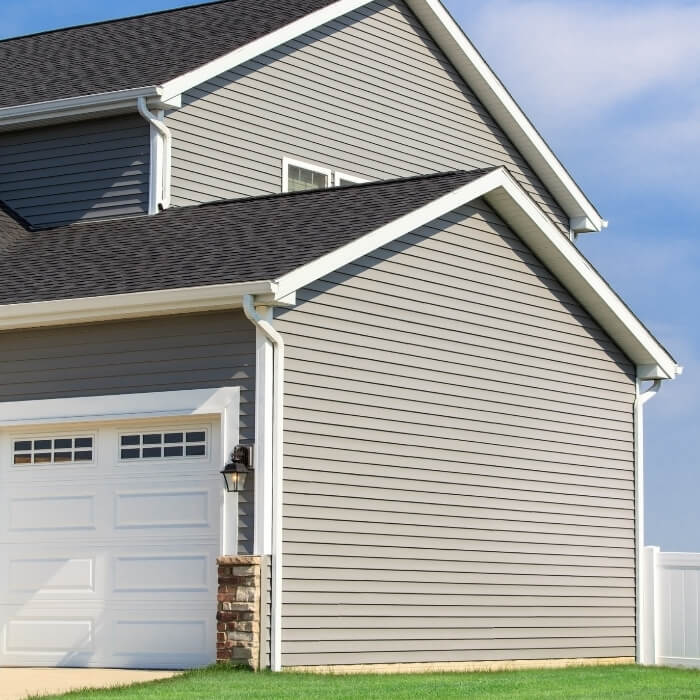
In conclusion, exterior siding replacement offers a multitude of benefits from enhancing the aesthetics of your home to increasing its energy efficiency. By understanding the different materials, costs involved, and steps in the process, you can make an informed decision to transform your home's exterior.
FAQ Compilation
What are the advantages of replacing exterior siding?
Replacing exterior siding can enhance curb appeal, improve energy efficiency, and increase the overall value of your home.
What are the common types of exterior siding materials?
Common materials include vinyl, wood, fiber cement, and metal, each with varying levels of durability and maintenance requirements.
How does the size of the home affect the cost of siding replacement?
The larger the home, the more materials and labor are needed, resulting in higher overall costs for exterior siding replacement.
What should I look for when hiring a contractor for siding replacement?
Ensure the contractor is reputable, licensed, and insured. Obtain multiple quotes and compare them before making a decision.
What are the typical steps involved in the process of exterior siding replacement?
The process involves preparation, removal of old siding, installation of new siding, and finishing touches to complete the transformation.