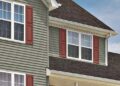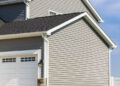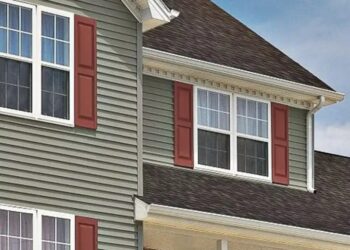

Delving into weather resistant vinyl siding, this introduction immerses readers in a unique and compelling narrative. From its durability to enhancing curb appeal, weather resistant vinyl siding offers a range of advantages that set it apart from traditional siding materials.
Benefits of Weather Resistant Vinyl Siding
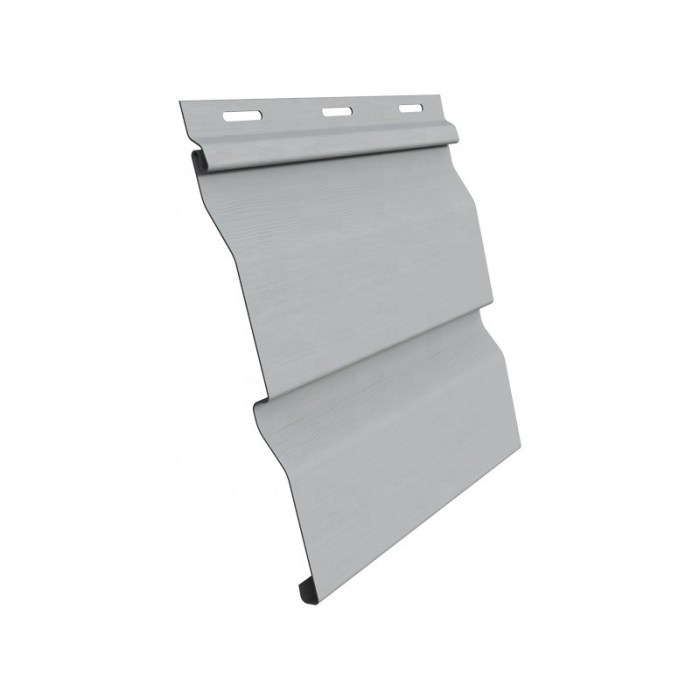
Weather resistant vinyl siding offers a range of advantages that make it a popular choice for homeowners looking for durable and low-maintenance siding options.
Durability and Longevity
- Weather resistant vinyl siding is known for its durability, able to withstand harsh weather conditions like strong winds, hail, and extreme temperatures.
- Compared to other siding materials like wood or aluminum, vinyl siding does not rot, warp, or corrode, offering a longer lifespan and requiring minimal maintenance.
- The color of vinyl siding is also fade-resistant, ensuring that it will maintain its appearance for years to come without the need for repainting.
Curb Appeal Enhancement
- Weather resistant vinyl siding comes in a variety of colors and styles, allowing homeowners to choose options that complement the architectural style of their property.
- With its clean and uniform look, vinyl siding can enhance the curb appeal of a home, increasing its overall value and attractiveness to potential buyers.
- The low maintenance requirements of vinyl siding, such as simple cleaning with soap and water, make it an attractive option for homeowners looking for a hassle-free exterior solution.
Features of Weather Resistant Vinyl Siding
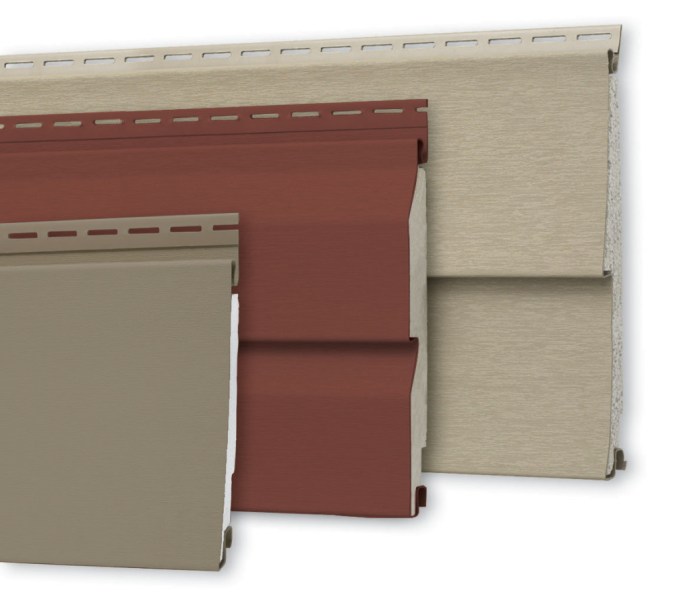
Vinyl siding is known for its durability and ability to withstand various weather conditions, making it an excellent choice for homeowners looking for low-maintenance siding options. Let's explore some of the key features of weather-resistant vinyl siding.
Specific Characteristics of Weather Resistant Vinyl Siding
- Resistance to moisture: Vinyl siding is designed to resist moisture, preventing water damage and mold growth on your home's exterior.
- UV protection: Weather-resistant vinyl siding is formulated to withstand UV rays, preventing fading and color deterioration over time.
- Impact resistance: Vinyl siding can withstand impact from hail, debris, and other external forces, reducing the risk of damage to your home.
- Flexibility: Vinyl siding is flexible, allowing it to expand and contract with temperature changes without warping or cracking.
Styles and Colors Available
- Traditional lap siding: Mimics the look of wood siding with horizontal panels.
- Vertical siding: Offers a modern aesthetic with vertical panels.
- Shake and shingle siding: Resembles the texture of cedar shakes or shingles.
- Various color options: Weather-resistant vinyl siding comes in a wide range of colors to suit any home style or design preference.
Maintenance Requirements
- Minimal upkeep: Vinyl siding requires little maintenance compared to traditional materials like wood or fiber cement.
- Easy to clean: Simply washing with a mixture of water and mild soap can keep your vinyl siding looking new.
- No need for painting: Unlike wood siding, vinyl siding does not require painting or staining, saving time and money on maintenance.
- Regular inspections: Periodically inspecting your vinyl siding for damage or signs of wear can help prolong its lifespan.
Installation Process for Weather Resistant Vinyl Siding
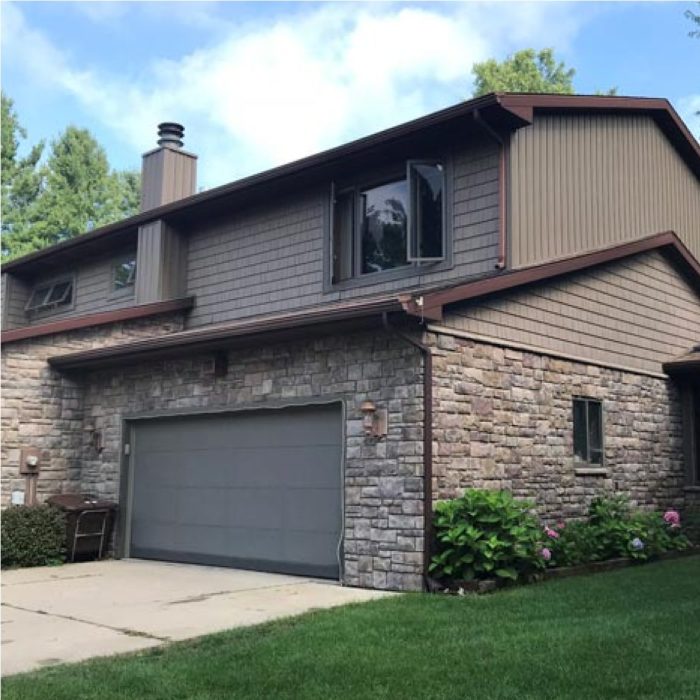
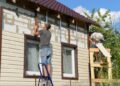
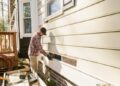
Installing weather resistant vinyl siding involves several steps to ensure a proper and long-lasting result. It is important to follow the correct procedures and use the necessary tools and materials for a successful installation.
Steps for Installing Weather Resistant Vinyl Siding
- Prepare the surface: Ensure the surface where the siding will be installed is clean, smooth, and free of any debris or moisture.
- Measure and cut the siding: Accurately measure the dimensions of the walls and cut the vinyl siding panels accordingly.
- Install the starter strip: Begin by installing a starter strip at the bottom of the wall to provide a secure base for the siding panels.
- Attach the siding panels: Securely attach the siding panels to the walls, making sure they are level and properly aligned.
- Add accessories: Install accessories such as corners, trim pieces, and J-channels to provide a finished look and ensure proper installation.
- Finish with trim: Complete the installation by adding trim pieces around windows, doors, and corners for a polished appearance.
Tools and Materials Needed for Installation
- Vinyl siding panels and accessories
- Starter strip
- Nails or screws
- Tape measure and utility knife
- Level and chalk line
- J-channel and trim pieces
- Caulk and sealant
Tips for a Proper and Long-Lasting Installation
- Follow the manufacturer's instructions carefully to ensure correct installation.
- Use high-quality materials and tools for a durable finish.
- Double-check measurements and cuts to avoid mistakes during installation.
- Allow for proper expansion and contraction of the vinyl siding to prevent warping or buckling.
- Regularly inspect the siding for any damage or signs of wear and tear to address issues promptly.
Cost Considerations of Weather Resistant Vinyl Siding
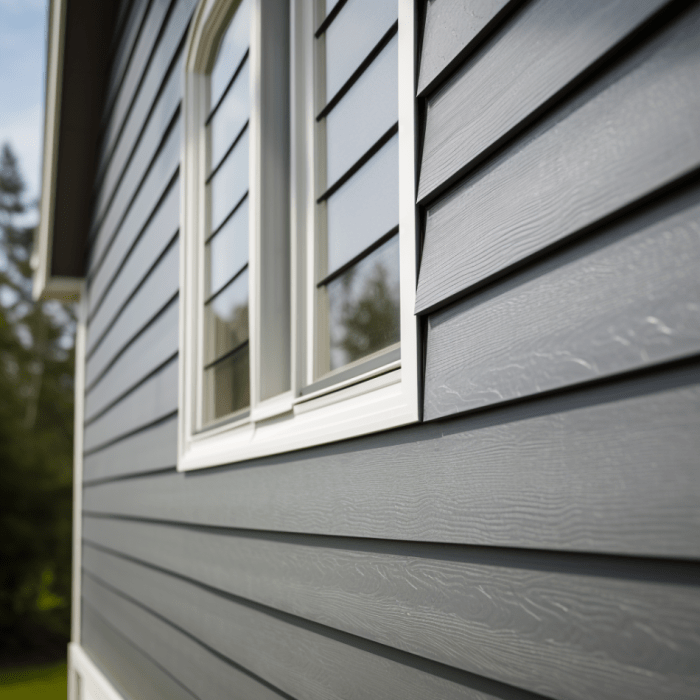
When considering weather resistant vinyl siding for your home, it is important to break down the cost factors associated with this durable material. While the initial investment may seem higher compared to other siding options, the long-term benefits often outweigh the upfront costs.
Comparing Initial Investment and Long-Term Benefits
- Initial Cost: Weather resistant vinyl siding can be more expensive to install initially compared to traditional materials like wood or aluminum siding. However, the cost can vary depending on the quality, style, and size of your home.
- Long-Term Savings: Despite the higher initial cost, weather resistant vinyl siding is known for its low maintenance requirements and longevity. This can result in significant savings over time as you won't need to invest in frequent repairs or replacements.
- Energy Efficiency: Another cost consideration is the energy efficiency of weather resistant vinyl siding. By providing better insulation for your home, you can potentially lower your energy bills, contributing to long-term savings.
Justifying the Cost with Durability and Maintenance Advantages
- Durability: Weather resistant vinyl siding is designed to withstand the elements, including extreme weather conditions, without warping, cracking, or fading. This durability ensures that you won't have to replace your siding prematurely, saving you money in the long run.
- Low Maintenance: Unlike wood siding that requires regular painting and sealing, weather resistant vinyl siding is virtually maintenance-free. This means you won't have to spend time and money on upkeep, further justifying the initial cost.
- Resale Value: Investing in weather resistant vinyl siding can also increase the resale value of your home. Potential buyers are often willing to pay more for a home with durable, low-maintenance siding, making it a worthwhile investment.
Final Wrap-Up
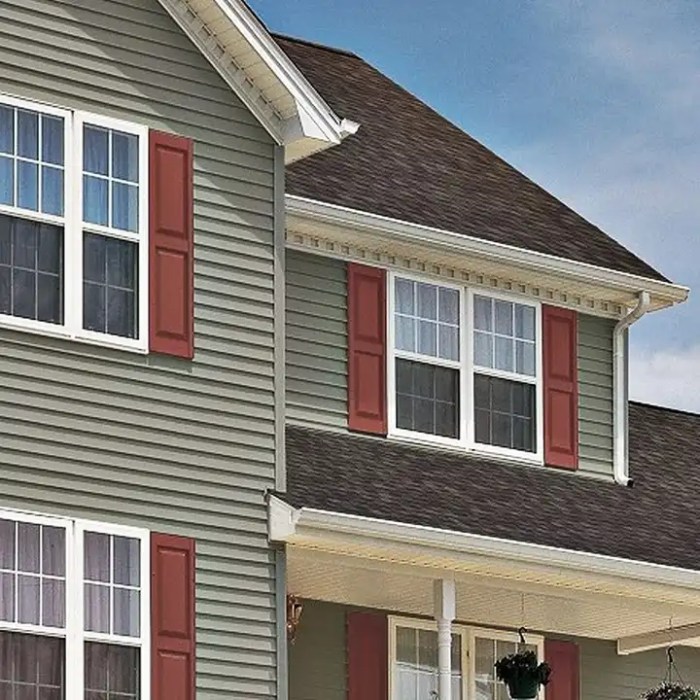
In conclusion, weather resistant vinyl siding proves to be a practical and visually appealing choice for homeowners looking to upgrade their property. With its cost-effective benefits and low maintenance requirements, weather resistant vinyl siding is a durable solution that can withstand various weather conditions.
FAQ
What are the maintenance requirements for weather resistant vinyl siding?
Weather resistant vinyl siding requires minimal maintenance and can be cleaned with a mixture of water and mild detergent.
How does the cost of weather resistant vinyl siding compare to other siding materials?
While the initial investment in weather resistant vinyl siding may be higher, its long-term benefits and durability make it a cost-effective choice in the long run.