
As cracked vinyl siding repair becomes a pressing issue for homeowners, this opening passage invites readers into a world of expertise, ensuring an informative and engaging read.
The following paragraph will delve into the details of this common household problem and provide valuable insights on how to address it effectively.
Understanding Cracked Vinyl Siding
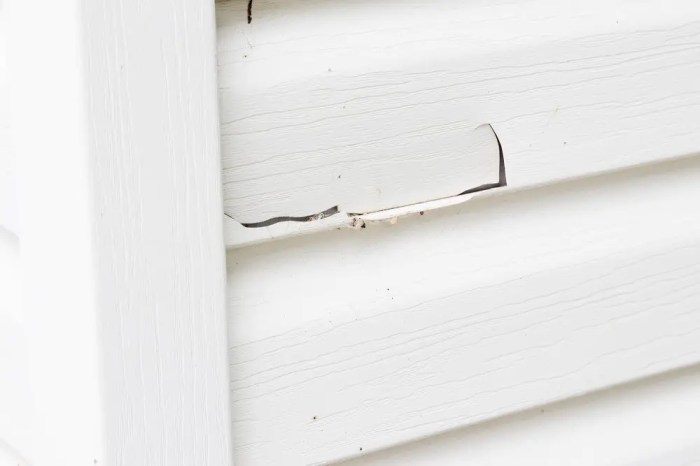
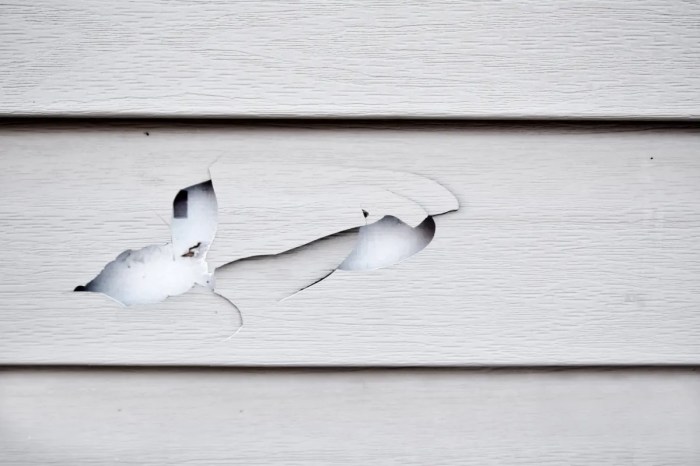
Vinyl siding is a popular choice for many homeowners due to its durability and low maintenance. However, over time, vinyl siding can develop cracks due to various factors such as age, weather conditions, and improper installation.Cracked vinyl siding not only detracts from the curb appeal of a home but can also compromise its structural integrity.
Water can seep into the cracks, leading to mold growth, rotting wood underneath, and potential damage to the interior walls of the house.
Causes of Cracked Vinyl Siding
- Prolonged exposure to extreme temperatures
- Impact from hail or debris
- Improper installation
Common Areas Prone to Cracking
- Corners and edges
- Around windows and doors
- Areas with high sun exposure
Assessing the Damage
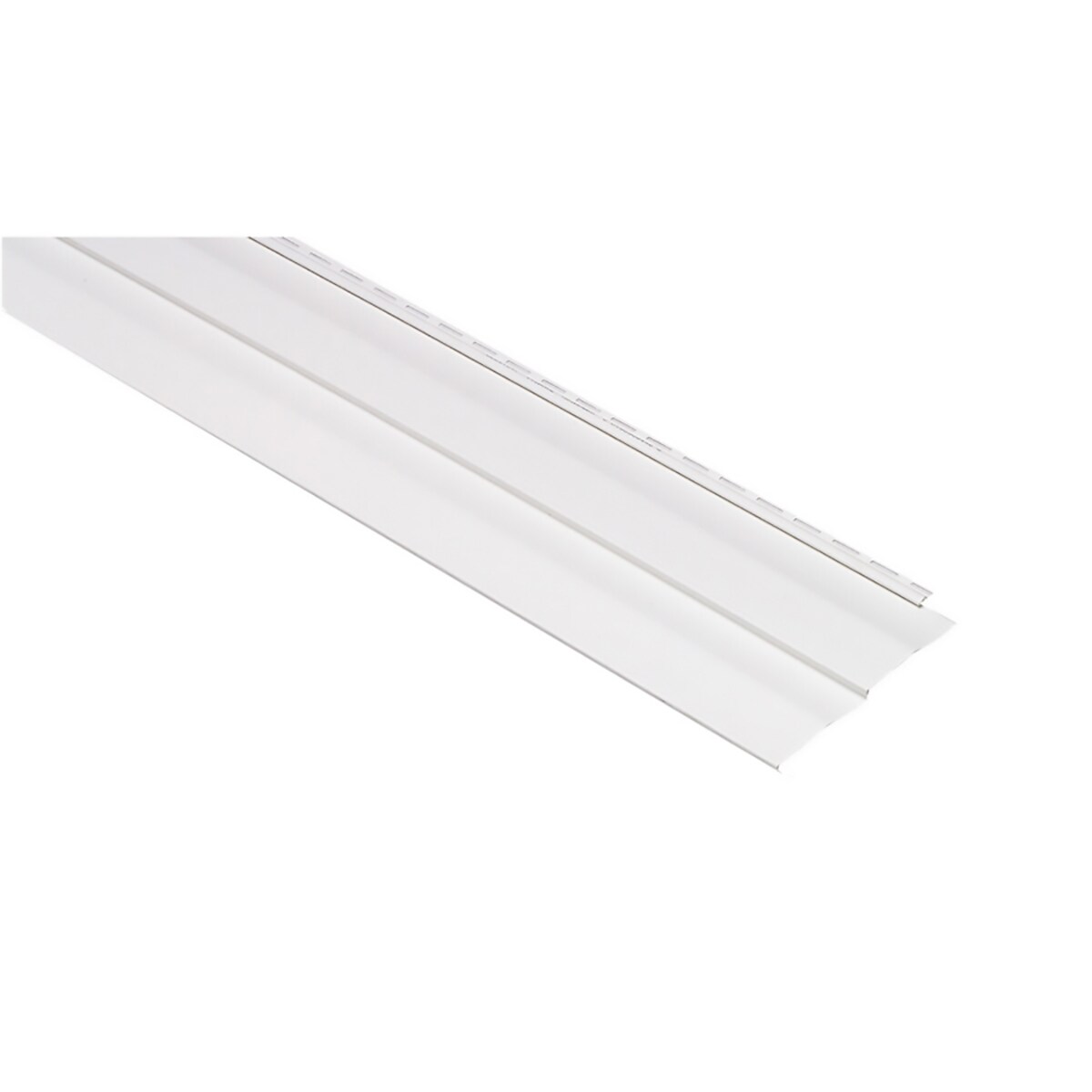
When it comes to cracked vinyl siding, it's crucial to assess the extent of the damage to determine the best course of action for repair or replacement.To inspect cracked vinyl siding for severity, start by visually examining the affected area.
Look for cracks, chips, or holes in the siding, and check if the damage is localized or widespread. Additionally, gently press on the cracked areas to see if the siding feels brittle or if it flexes easily.
Determining Repair or Replacement
- Minor cracks or chips that are isolated can often be repaired with a patch kit or sealant. These small repairs are cost-effective and can extend the life of your siding.
- For larger cracks or widespread damage, it may be necessary to replace the affected panels or sections of siding. This ensures the structural integrity of your home and prevents further issues.
- Consider factors such as the age of the siding, overall condition, and the cost of repairs versus replacement when making your decision.
Comparing Assessment Methods
- Visual Inspection: This involves looking for visible cracks or damage on the surface of the siding.
- Tactile Inspection: By gently pressing on the cracked areas, you can determine the flexibility and condition of the siding.
- Professional Assessment: If you're unsure about the extent of the damage, consider hiring a professional to inspect and provide recommendations for repair or replacement.
Repair Techniques
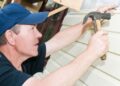
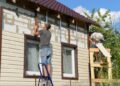
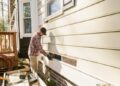
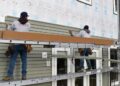
To repair cracked vinyl siding, there are several techniques you can use depending on the severity of the damage. Whether you choose to tackle the repair yourself or hire a professional, it's important to address the issue promptly to prevent further damage to your home.
DIY Repair Techniques
If you decide to repair the cracked vinyl siding yourself, you will need the following tools and materials:
- Utility knife
- Caulking gun
- Vinyl siding cleaner
- Vinyl siding patch kit
- Heat gun or hairdryer
- Matching vinyl siding panels
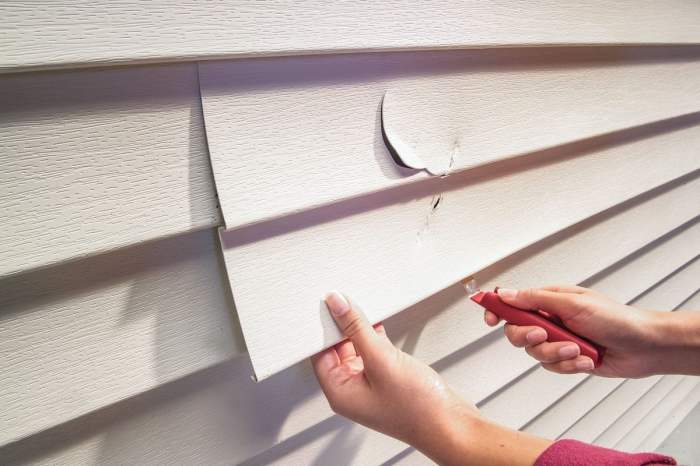
It's important to carefully clean the area around the crack, apply the patch according to the manufacturer's instructions, and use the heat gun or hairdryer to blend the patch with the existing siding.
Professional Repair Options
If the damage to your vinyl siding is extensive or if you're not comfortable tackling the repair yourself, hiring a professional may be the best option. Professional repair options may include:
- Experienced contractors who specialize in vinyl siding repair
- Use of professional-grade tools and materials
- Guarantees on the repair work
- Potential savings in time and effort
By opting for professional repair services, you can ensure that the job is done correctly and efficiently, giving you peace of mind knowing that your home is properly maintained.
Preventive Maintenance
Vinyl siding is a durable and low-maintenance option for your home's exterior. However, routine maintenance is crucial in preventing cracks and prolonging its lifespan.
Regular Cleaning
- Regularly clean your vinyl siding with a mild detergent and water to remove dirt, grime, and mold that can weaken the material.
- Consider using a pressure washer on a low setting to effectively clean hard-to-reach areas.
- Avoid using harsh chemicals or abrasive tools that can damage the vinyl surface.
Inspection and Repairs
- Inspect your siding annually for any signs of cracks, warping, or damage caused by weather or impact.
- Promptly repair any small cracks or holes using a vinyl siding repair kit to prevent further damage.
- Replace any severely damaged sections to maintain the integrity of the entire siding system.
Protection from Environmental Factors
- Trim back trees and bushes that may rub against the siding, causing scratches or cracks over time.
- Ensure proper ventilation to prevent moisture buildup behind the siding, which can lead to mold growth and damage.
- Install gutter guards to prevent clogging and water overflow, which can damage the siding and lead to cracks.
Last Word
In conclusion, this guide has covered essential information on repairing cracked vinyl siding, equipping you with the knowledge needed to tackle this issue with confidence and success.
General Inquiries
What are the common causes of cracked vinyl siding?
Cracked vinyl siding can be caused by extreme weather conditions, impact damage, or poor installation practices.
How can I determine if my cracked vinyl siding needs to be repaired or replaced?
Inspect the severity of the damage. If the cracks are minor, repair may suffice. For extensive damage, replacement might be necessary.
What are some preventive measures to avoid future cracking of vinyl siding?
Regularly inspect and clean the siding, address any issues promptly, and apply protective coatings to prevent damage.