
Affordable siding repair is a crucial aspect of homeownership, offering a cost-effective solution to maintaining the integrity and aesthetics of your home. In this comprehensive guide, we will delve deep into the world of siding repairs, exploring the benefits, common types of repairs, and cost-effective techniques that can save you money in the long run.
As we uncover the nuances of affordable siding repair, you'll gain valuable insights into how to enhance the longevity of your siding without breaking the bank.
Importance of Affordable Siding Repair
Keeping your home's siding in good condition is essential for maintaining its appearance and structural integrity. Affordable siding repair plays a crucial role in ensuring that your home remains protected from the elements while also enhancing its curb appeal.
Benefits of Maintaining Siding Through Cost-Effective Repairs
- Preserves the overall aesthetic appeal of your home
- Prevents water damage and mold growth
- Increases the lifespan of your siding material
- Enhances energy efficiency by sealing gaps and cracks
Affordable Repairs to Prevent Costly Issues
By addressing minor siding issues promptly through affordable repairs, you can prevent more significant and expensive problems down the line. Neglecting siding maintenance can lead to water infiltration, structural damage, and even pest infestations, resulting in costly repairs or replacements.
Common Types of Siding Repairs
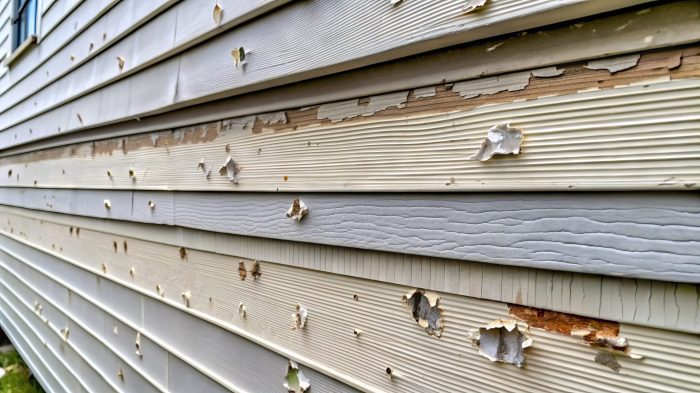
When it comes to siding repairs, different types of siding materials require specific attention to address common damages. Understanding the typical damages and repair processes for various siding materials like vinyl, wood, or fiber cement can help homeowners make informed decisions and ensure their siding remains in good condition.
Vinyl Siding
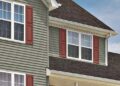
Vinyl siding is a popular choice for homeowners due to its affordability and low maintenance. However, it can still be susceptible to certain damages such as cracks, holes, or warping. Repairing vinyl siding typically involves replacing the damaged panels or sections to restore the overall appearance and functionality.
Wood Siding
Wood siding adds a classic and natural look to a home, but it requires more maintenance compared to other siding materials. Common damages for wood siding include rot, mold, or insect infestations. Repairing wood siding often involves replacing the damaged boards, treating the wood to prevent future issues, and repainting or staining to match the existing finish.
Fiber Cement Siding
Fiber cement siding is a durable and low-maintenance option that mimics the look of wood or masonry. However, it can still experience damages such as cracks, chips, or moisture-related issues. Repairing fiber cement siding typically involves filling in cracks, patching damaged areas, and repainting to maintain its appearance and protect against further damage.
DIY vs. Professional Repair Options
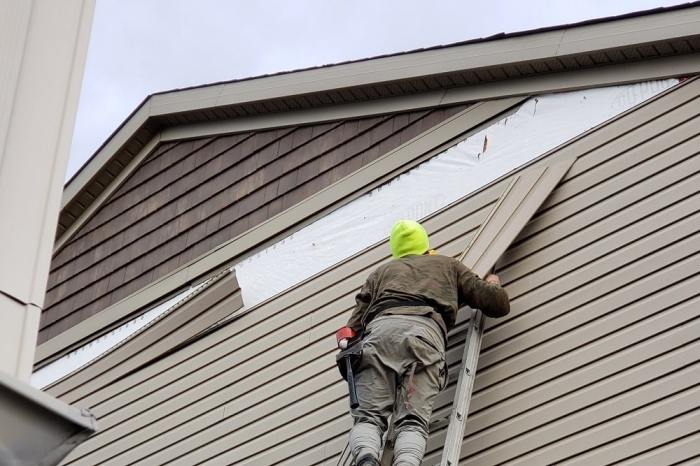
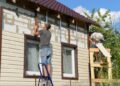
When it comes to siding repair, homeowners often face the decision of whether to tackle the project themselves or hire professional contractors. Each option has its own set of advantages and disadvantages, so it's important to weigh them carefully before making a decision.
DIY Siding Repairs
Attempting DIY siding repairs can be a cost-effective solution for homeowners looking to save money. However, there are some important factors to consider before taking on this task:
- Pros:
- Cost savings on labor fees.
- Flexibility to work on the project at your own pace.
- Personal satisfaction of completing a home improvement project.
- Cons:
- Lack of experience or expertise may result in mistakes.
- Risk of causing further damage to the siding or underlying structure.
- Time-consuming and physically demanding.
Professional Siding Repairs
While hiring professional contractors for siding repairs may come at a higher cost, there are several advantages to consider:
- Pros:
- Expertise and experience in handling various types of siding materials.
- Efficiency and speed in completing the repair project.
- Access to specialized tools and equipment for a high-quality finish.
- Cons:
- Higher upfront costs compared to a DIY approach.
- Dependence on the contractor's schedule for project completion.
- Less hands-on involvement in the repair process.
Cost-Effective Repair Techniques
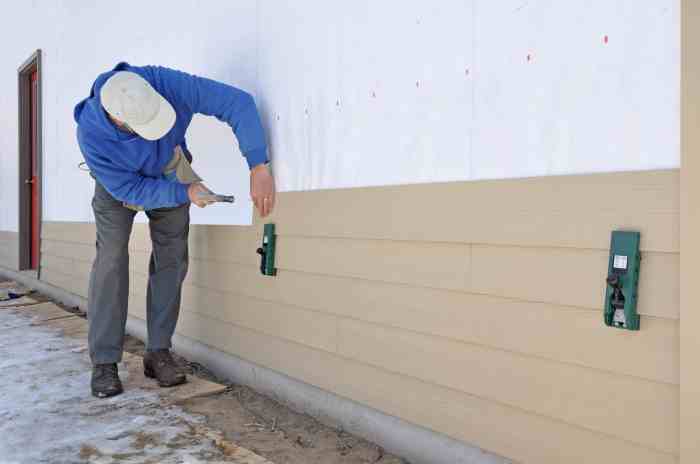
Repairing siding issues doesn't have to break the bank. By implementing cost-effective techniques, homeowners can save money on materials and keep repair costs low without compromising quality.
Reuse and Recycle Materials
One way to cut costs on siding repairs is by reusing and recycling materials whenever possible. Salvage any undamaged siding pieces during repairs and use them to patch up smaller areas instead of purchasing new materials.
Consider Alternative Materials
Explore alternative siding materials that are more budget-friendly without sacrificing durability. For example, opting for vinyl siding instead of wood can save on upfront costs and long-term maintenance expenses.
DIY Repairs
Taking a DIY approach to minor siding repairs can significantly reduce labor costs. Simple tasks like filling in small cracks or repainting damaged areas can be done by homeowners with basic tools and skills.
Bulk Purchases
When purchasing materials for siding repairs, buying in bulk can help lower costs per unit. Look for discounts or promotions from suppliers when stocking up on siding components to save money in the long run.
Regular Maintenance
Prevent costly siding repairs by staying on top of regular maintenance tasks. Cleaning, inspecting, and repairing minor issues promptly can prolong the lifespan of siding and avoid more extensive and expensive repairs down the line.
Closing Summary

In conclusion, affordable siding repair is not just about fixing minor issues; it's about investing in the longevity of your home. By taking proactive measures and opting for cost-effective repairs, you can ensure that your siding remains not only visually appealing but also structurally sound for years to come.
FAQ Corner
Why is affordable siding repair important for homeowners?
Affordable siding repair helps maintain the structural integrity of your home, prevents more expensive issues in the future, and enhances the curb appeal of your property.
What are some common types of siding repairs?
Common types of siding repairs include fixing cracks, replacing damaged panels, addressing water damage, and repainting faded areas.
Should I attempt DIY siding repairs or hire a professional?
While DIY repairs can save money, hiring a professional ensures quality workmanship and can prevent costly mistakes. Consider your skill level and the complexity of the repair before deciding.
How can homeowners save money on materials for siding repairs?
Homeowners can save money by comparing prices at different stores, buying materials in bulk, and looking for discounts or promotions on siding repair products.
What are some cost-effective techniques for repairing common siding issues?
Some cost-effective techniques include patching small holes, cleaning and maintaining siding regularly, and using paint to refresh the appearance of worn-out siding.