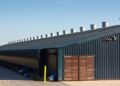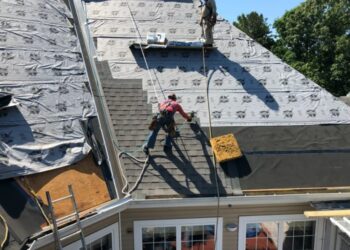

Exploring the realm of factory roofing repair services unveils a crucial aspect of maintaining industrial infrastructure. This comprehensive guide delves into the intricacies of repairing factory roofs, shedding light on the importance of timely interventions and quality materials.
From inspecting roofs to implementing innovative repair solutions, this overview covers everything you need to know about ensuring the structural integrity and longevity of factory roofs.
Overview of Factory Roofing Repair Services
Factory roofing repair services involve the maintenance and restoration of roofs in industrial settings to ensure their structural integrity and longevity. Timely repairs are crucial to prevent further damage and maintain a safe working environment for employees.
Common Issues Requiring Repair in Factory Roofs
- Leaking Roofs: Water infiltration can lead to mold growth, structural damage, and potential safety hazards.
- Damaged Roofing Materials: Wear and tear over time can cause cracks, holes, or missing shingles, compromising the roof's ability to protect the building.
- Poor Insulation: Inadequate insulation can result in energy loss, increased utility bills, and discomfort for occupants.
- Ponding Water: Standing water on the roof can cause deterioration and weaken the roof's structure.
- Punctures or Tears: Damage from debris, foot traffic, or extreme weather conditions can create openings that allow water to seep in.
Types of Factory Roofing Materials
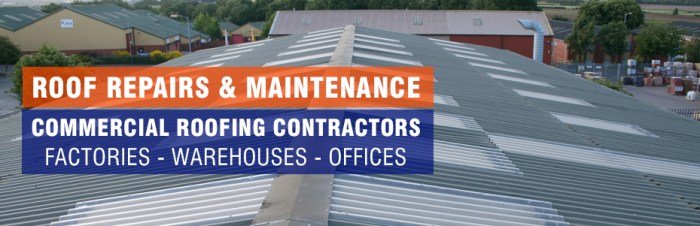
When it comes to factory roofing materials, there are several options available, each with its own set of advantages and disadvantages. The choice of material can greatly impact the maintenance and repair services required for the factory roof.
Metal Roofing
- Pros:
- Durable and long-lasting
- Resistant to fire and pests
- Low maintenance
- Cons:
- Can be noisy during rain or hail
- Can be prone to dents and scratches
- Initial installation cost may be high
EPDM Roofing
- Pros:
- Flexible and easy to install
- Resistant to UV rays
- Can be repaired easily
- Cons:
- May not be as durable as other materials
- Prone to punctures
- May require more frequent repairs
Modified Bitumen Roofing
- Pros:
- Good resistance to weather elements
- Easy to repair and maintain
- Can be installed quickly
- Cons:
- May not be as energy-efficient
- Can be more susceptible to leaks
- May require more frequent inspections
Inspection and Assessment Process
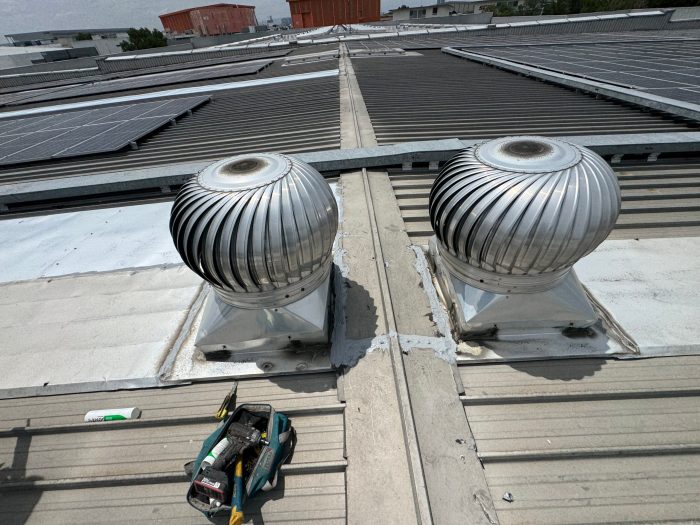
Before initiating any factory roofing repair, a thorough inspection and assessment process is crucial to identify the extent of damage and understand the repair needs. This step is essential in ensuring that the repair work is effective and long-lasting.
Steps Involved in Inspecting a Factory Roof for Repair Needs
- Visual Inspection: Starting with a visual assessment to identify any visible signs of damage such as cracks, leaks, or missing shingles.
- Moisture Detection: Using advanced tools like infrared cameras to detect moisture trapped beneath the roof surface, which can lead to mold growth and structural damage.
- Structural Evaluation: Assessing the overall structure of the roof to check for any sagging, weak spots, or signs of deterioration.
- Documentation: Detailed documentation of all findings, including photographs and measurements, to create a comprehensive repair plan.
Importance of a Thorough Assessment Before Repairs
A thorough assessment before repairs is crucial as it helps in accurately identifying all issues and developing a targeted repair plan. This ensures that the repairs are effective and address the root cause of the problem, preventing future issues and costly repairs.
How Technology has Improved the Inspection Process for Factory Roofs
- Drone Technology: Drones equipped with high-resolution cameras can access hard-to-reach areas of the roof, providing detailed images for assessment.
- Digital Software: Advanced software allows for 3D modeling of the roof, enabling precise measurements and accurate assessment of the roof condition.
- Remote Monitoring: Sensors installed on the roof can provide real-time data on the roof's condition, allowing for proactive maintenance and timely repairs.
Repair Techniques and Solutions
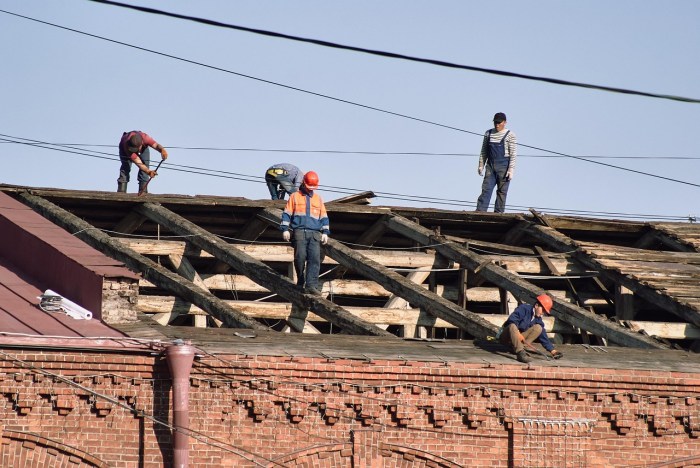
Repair techniques and solutions play a crucial role in maintaining the integrity of factory roofs. By addressing issues promptly and effectively, businesses can avoid costly damages and disruptions to their operations.
Common Repair Techniques
- Patching: Patching involves repairing small areas of damage by applying sealant or roofing material to the affected area.
- Replacing Damaged Sections: For larger areas of damage, replacing the damaged sections of the roof may be necessary to ensure structural integrity.
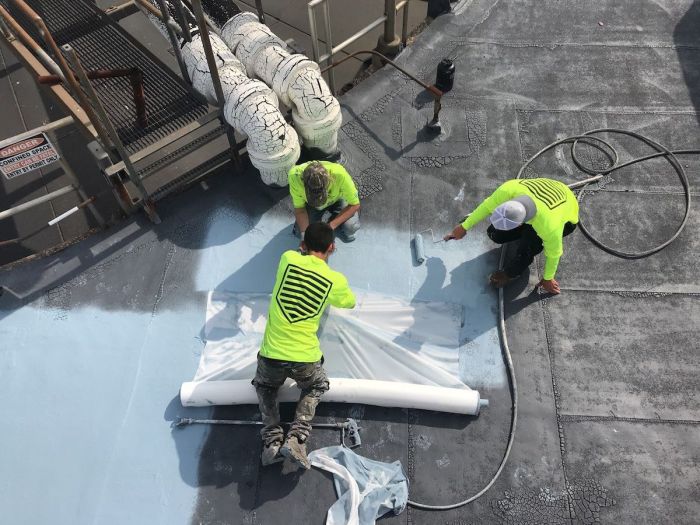
- Waterproofing: Applying waterproof coatings or membranes can help protect the roof from leaks and water damage.
Innovative Repair Solutions
- Infrared Technology: Infrared scans can be used to detect moisture within the roof layers, helping to identify areas that require repair.
- Spray-Applied Roof Coatings: These coatings can be applied to existing roofs to provide added protection and extend the lifespan of the roof.
- Green Roof Systems: Installing green roof systems can not only improve insulation but also help in managing stormwater runoff, reducing the need for repairs.
Factors Influencing Repair Technique Choice
- Severity of Damage: The extent of damage will determine the repair technique needed, whether it's a simple patch or a complete replacement.
- Budget Constraints: The available budget may influence the choice of repair technique, as some solutions may be more cost-effective than others.
- Roof Material: Different roofing materials may require specific repair techniques to ensure compatibility and effectiveness.
Maintenance Practices for Factory Roofs
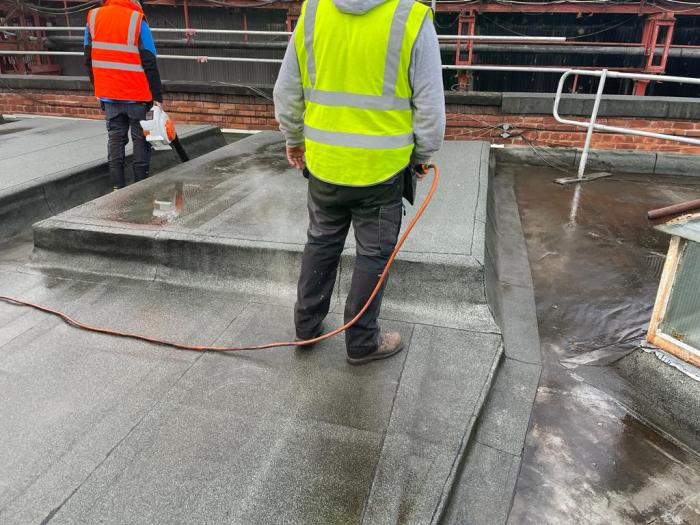
Regular maintenance is crucial for ensuring the longevity and functionality of factory roofs. By implementing a proactive maintenance plan, you can prevent costly repairs and extend the lifespan of your roof. Here are some key maintenance practices to keep your factory roof in optimal condition:
Checklist of Maintenance Tasks
- Regular inspections to identify any signs of damage or wear
- Cleaning gutters and drainage systems to prevent water buildup
- Trimming nearby trees to avoid branches falling on the roof
- Checking for loose or missing fasteners and repairing them promptly
- Inspecting flashing and seals for any cracks or deterioration
Importance of Proactive Maintenance
Proactive maintenance not only helps in identifying issues early but also saves time and money in the long run. By addressing minor problems before they escalate, you can avoid extensive repairs and prolong the lifespan of your factory roof. Regular maintenance also ensures that your roof remains in compliance with safety standards and regulations.
Cost Considerations and Budgeting
When it comes to factory roofing repair services, cost considerations and budgeting play a crucial role in ensuring the maintenance and longevity of the roof. Understanding the factors that impact the cost, as well as tips for budgeting and planning, can help factory owners make informed decisions about their roofing needs.
Factors Affecting Cost
- Extent of Damage: The severity of the damage to the factory roof will directly impact the cost of repairs. Minor repairs may be more affordable, while extensive damage may require a larger budget.
- Type of Roofing Material: Different roofing materials come at varying costs. Understanding the material used in your factory roof will help in estimating repair costs accurately.
- Labor and Equipment Costs: The expertise required for repair services, as well as the equipment needed, will contribute to the overall cost. Skilled labor and specialized tools may increase the budget.
Tips for Budgeting and Planning
- Regular Inspections: Conducting routine inspections can help identify potential issues early on, allowing for budgeting and planning for repairs before they escalate.
- Get Multiple Quotes: It's advisable to get quotes from different roofing repair services to compare costs and services offered. This can help in choosing a cost-effective option without compromising on quality.
- Consider Long-Term Solutions: While immediate repairs may seem more affordable, investing in long-term solutions can save costs in the future. Evaluate the cost-effectiveness of repair versus replacement for your factory roof.
Repair vs. Replacement Cost-Effectiveness
- Repair: Opting for repairs can be cost-effective for minor damages or isolated issues. Regular maintenance and timely repairs can prolong the lifespan of the factory roof without incurring significant costs.
- Replacement: In cases where the damage is extensive or the roof has reached the end of its lifespan, replacement may be a more cost-effective option in the long run. Consider factors like energy efficiency, durability, and maintenance costs when deciding between repair and replacement.
Safety Regulations and Compliance
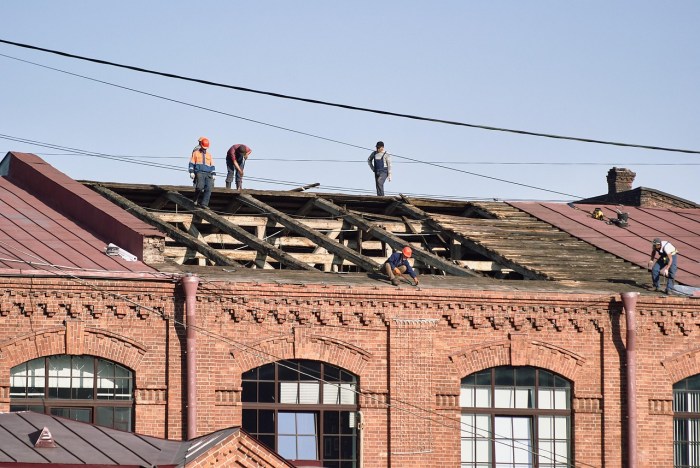
In the field of factory roofing repair services, safety regulations play a crucial role in ensuring the well-being of workers and the successful completion of repair projects. Compliance with these regulations is essential to prevent accidents and maintain a safe working environment.
Let's explore the safety measures and regulations that should be followed during factory roofing repairs.
Safety Measures During Roof Repairs
- Wearing proper personal protective equipment (PPE) such as helmets, gloves, and safety harnesses to prevent injuries.
- Implementing fall protection systems like guardrails and safety nets to minimize the risk of falls from heights.
- Securing ladders and scaffolding properly to ensure stability and prevent accidents.
- Training workers on proper handling of tools and equipment to avoid accidents and injuries.
- Regularly inspecting and maintaining equipment to ensure they are safe to use during repairs.
Epilogue
In conclusion, prioritizing factory roofing repair services is not just about fixing existing issues but also about preventing future problems. By embracing proactive maintenance and adhering to safety regulations, factories can ensure a secure and sustainable environment for their operations.
FAQ Summary
What are the common issues that require repair in factory roofs?
Common issues include leaks, cracks, and deterioration of roofing materials due to weathering or poor installation.
How does the choice of roofing material affect repair services?
The choice of material influences factors like repair techniques, durability, and maintenance requirements, impacting the overall repair process.
What factors impact the cost of factory roofing repair services?
Factors such as the extent of damage, type of materials used, and labor costs can significantly affect the overall cost of repairs.