
Exploring the world of roofing systems for industrial buildings unveils a realm of crucial decisions and innovative solutions. From selecting the right materials to designing for longevity, this guide delves into the essential aspects that define a robust industrial roofing system.
As we navigate through the nuances of industrial roofing, we uncover the intricacies that shape the reliability and sustainability of these crucial structures.
Introduction to Industrial Roofing Systems
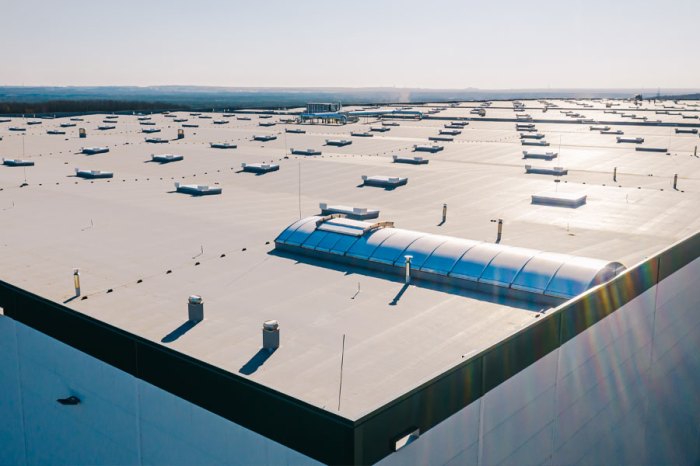
Industrial roofing systems play a crucial role in protecting large commercial and industrial buildings from environmental elements such as rain, snow, wind, and UV exposure. These systems are designed to provide structural integrity, insulation, and waterproofing to ensure the safety and longevity of the building.
Purpose of Roofing Systems for Industrial Buildings
Industrial roofing systems are essential for maintaining the structural integrity of large buildings by providing protection against weather conditions and preventing water infiltration. These systems also help in regulating temperature inside the building, reducing energy costs, and ensuring a comfortable working environment for employees.
Importance of Selecting the Right Roofing Material
Choosing the correct roofing material is crucial for industrial applications as it directly impacts the durability, energy efficiency, and maintenance requirements of the building. Factors such as climate, building design, cost, and maintenance should be considered when selecting the roofing material to ensure optimal performance and longevity.
Key Factors to Consider in Designing Roofing Systems
When designing roofing systems for industrial buildings, several factors must be taken into account, including load-bearing capacity, slope, drainage, insulation, and ventilation. Proper planning and design can help prevent issues such as leaks, structural damage, and energy inefficiency, ensuring a functional and durable roofing system for the industrial building.
Types of Roofing Materials
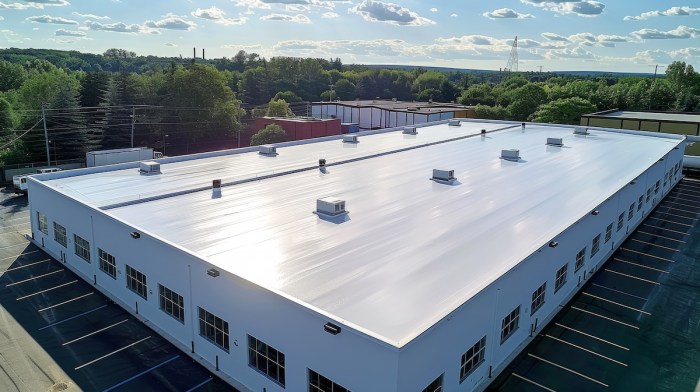
When it comes to industrial roofing systems, various materials are commonly used to ensure durability, cost-effectiveness, and environmental impact. Let's explore some of the most popular options:
Metal Roofing
Metal roofing is a popular choice for industrial buildings due to its durability and longevity. It can withstand harsh weather conditions and requires minimal maintenance over time. While the initial cost of metal roofing may be higher than other materials, its long-term cost-effectiveness makes it a preferred option for many industrial facilities.
EPDM (Ethylene Propylene Diene Monomer)
EPDM roofing is known for its flexibility and resistance to UV rays and ozone exposure. It is relatively easy to install and repair, making it a cost-effective option for industrial buildings. However, EPDM may not be as durable as metal roofing in extreme weather conditions.
TPO (Thermoplastic Polyolefin)
TPO roofing is a popular choice for industrial buildings due to its energy efficiency and reflective properties. It is also resistant to UV rays and chemicals, making it a durable option for industrial facilities. While TPO roofing may have a lower initial cost compared to metal roofing, its long-term durability may vary depending on the quality of the material.
PVC (Polyvinyl Chloride)
PVC roofing is known for its durability and resistance to chemicals and fire. It is also lightweight and easy to install, making it a cost-effective option for industrial buildings. However, PVC roofing may not be as environmentally friendly as other options due to the use of chemicals in its production.
Roofing System Design Considerations
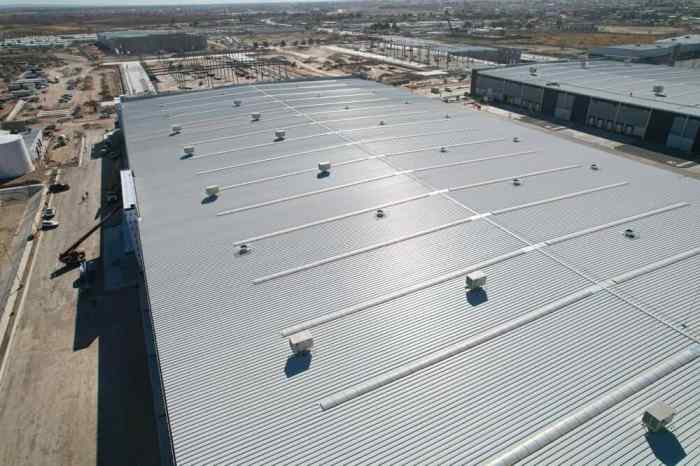
Insulation, ventilation, and drainage are crucial factors to consider in the design of industrial roofing systems. These elements play a significant role in ensuring the longevity and effectiveness of the roof structure.
Importance of Insulation
Proper insulation is essential in industrial roofing systems as it helps regulate temperature, reduce energy costs, and prevent condensation. By minimizing heat transfer, insulation can also improve the overall efficiency of the building's HVAC system. Insulation materials such as foam boards, fiberglass, or mineral wool can be used to provide thermal resistance and enhance the comfort of the interior space.
Impact of Ventilation
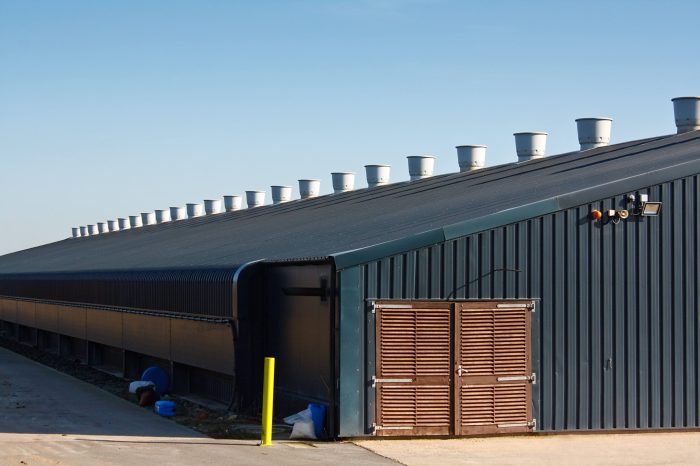
Effective ventilation is key to maintaining the longevity of industrial roofs by reducing moisture buildup and preventing the growth of mold or mildew. Proper ventilation helps in controlling temperature fluctuations, improving air quality, and extending the lifespan of roofing materials.
It also plays a role in preventing structural damage caused by moisture infiltration. Ventilation options include ridge vents, soffit vents, or exhaust fans depending on the specific requirements of the building.
Significance of Proper Drainage Systems
Adequate drainage systems are vital in industrial roofing design to ensure the efficient removal of water from the roof surface. Poor drainage can lead to water pooling, which can cause structural damage, leaks, and premature deterioration of the roofing materials.
Installing gutters, downspouts, and proper sloping can help redirect water away from the building and prevent potential water-related issues. Regular maintenance of drainage systems is also essential to ensure their proper functioning over time.
Maintenance and Repairs
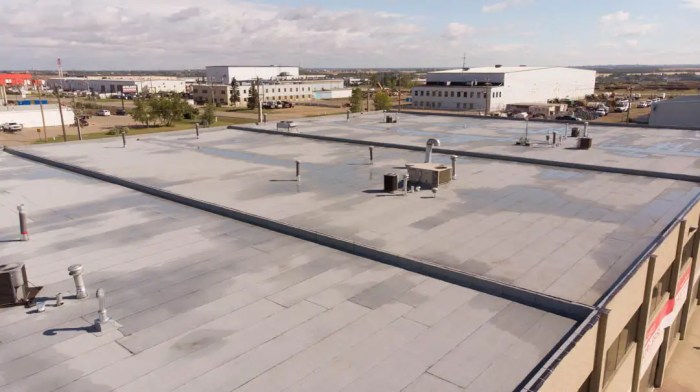
Regular maintenance and timely repairs are crucial for the longevity and performance of industrial roofing systems. Neglecting these tasks can lead to costly damages and disruptions to business operations.
Best Practices for Maintaining Industrial Roofing Systems
- Perform regular inspections at least twice a year to check for any signs of damage or wear.
- Clear debris, such as leaves and branches, from the roof to prevent water pooling and potential leaks.
- Trim overhanging tree branches to avoid damage from falling limbs and debris.
- Check and clean gutters and drainage systems to ensure proper water flow and prevent water damage.
- Address any issues promptly and hire professional roofing contractors for repairs or maintenance tasks.
Common Issues Requiring Repairs in Industrial Roofs
- Leaks: Water infiltration can cause structural damage, mold growth, and compromise the integrity of the roof.
- Blow-offs: Severe weather conditions or poor installation can lead to sections of the roof being lifted or blown off.
- Ponding water: Standing water on the roof can accelerate deterioration and lead to leaks.
- Flashing damage: Improperly installed or damaged flashing can allow water to seep into the building.
Importance of Regular Inspections and Proactive Maintenance
Regular inspections help identify potential issues early on, allowing for timely repairs and preventing costly damages. Proactive maintenance can extend the lifespan of the roofing system and ensure optimal performance, protecting the building and its contents.
Closing Summary
In conclusion, the intricate dance between materials, design considerations, and maintenance practices defines the resilience of industrial roofing systems. By understanding the key elements discussed, one can ensure the longevity and efficiency of these vital components of industrial infrastructure.
FAQ Summary
What are some common roofing materials used in industrial buildings?
Common roofing materials include metal roofing, EPDM, TPO, and PVC due to their durability and cost-effectiveness.
Why is insulation important in industrial roofing systems?
Insulation helps regulate temperature, reduce energy costs, and prevent condensation within industrial buildings.
What are the best practices for maintaining industrial roofing systems?
Regular inspections, proactive maintenance, and addressing issues promptly are key practices for maintaining industrial roofs.