
Embarking on the journey of green roofing consultants, we delve into their pivotal role in sustainable construction practices. From enhancing environmental benefits to promoting energy efficiency, these professionals play a crucial part in shaping the future of urban landscapes.
As we uncover the various facets of green roofing consultancy, a world of innovation and eco-friendly solutions unfolds before us.
Overview of Green Roofing Consultants
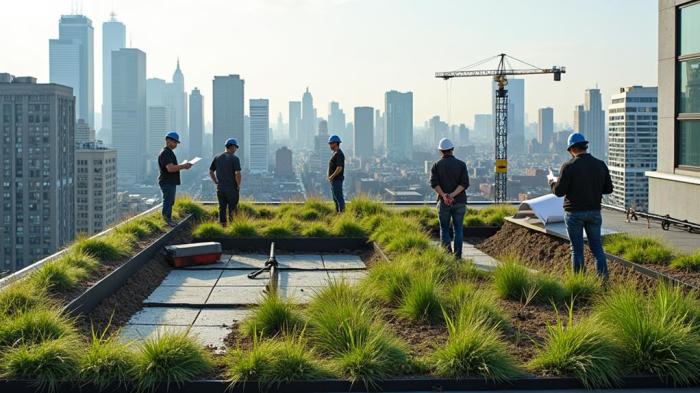
Green roofing consultants play a crucial role in promoting sustainable building practices by providing expertise and guidance on the design, installation, and maintenance of green roofs. These professionals help clients incorporate environmentally friendly roofing solutions that offer numerous benefits in terms of energy efficiency, stormwater management, and biodiversity.
Examples of Projects
- In Chicago, the City Hall green roof project, designed with the help of green roofing consultants, has reduced energy costs, mitigated urban heat island effects, and extended the roof's lifespan.
- The California Academy of Sciences in San Francisco features a green roof that not only provides natural insulation but also supports local wildlife and reduces stormwater runoff, thanks to the expertise of green roofing consultants.
Benefits of Hiring Green Roofing Consultants
- Expertise: Green roofing consultants have specialized knowledge in sustainable roofing practices, ensuring that projects are designed and implemented effectively.
- Cost Savings: By optimizing energy efficiency and reducing maintenance needs, green roofs designed with the help of consultants can lead to long-term cost savings for building owners.
- Environmental Impact: Green roofs contribute to lower carbon emissions, improved air quality, and enhanced biodiversity, making them a valuable investment for environmentally conscious projects.
Qualifications and Expertise
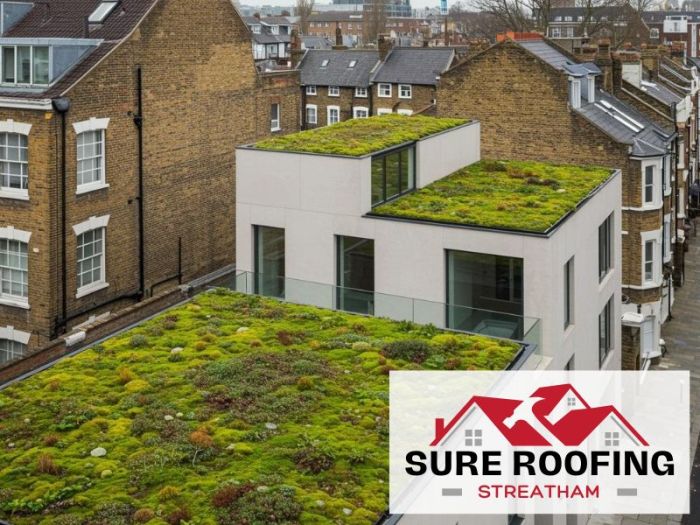
Becoming a green roofing consultant requires a specific set of qualifications and certifications that distinguish them from traditional roofing consultants.
Typical Qualifications and Certifications
- A Bachelor's degree in architecture, engineering, environmental science, or a related field
- Certifications in sustainable design or green building practices
- Training in horticulture or landscape architecture
- Knowledge of local building codes and regulations
Comparison of Knowledge and Skills
Traditional roofing consultants focus primarily on structural integrity and waterproofing, while green roofing consultants must also understand sustainable design principles, stormwater management, and plant ecology. Green roofing consultants need to have a broader knowledge base that includes environmental impact assessment and energy efficiency considerations.
Benefits of Experience in Horticulture or Environmental Science
Having a background in horticulture or environmental science can greatly benefit green roofing consultants. This experience provides a deeper understanding of plant selection, maintenance practices, and ecosystem dynamics that are crucial for the success of green roof projects. It allows consultants to integrate green infrastructure seamlessly into building designs while maximizing environmental benefits.
Green Roofing Design and Implementation
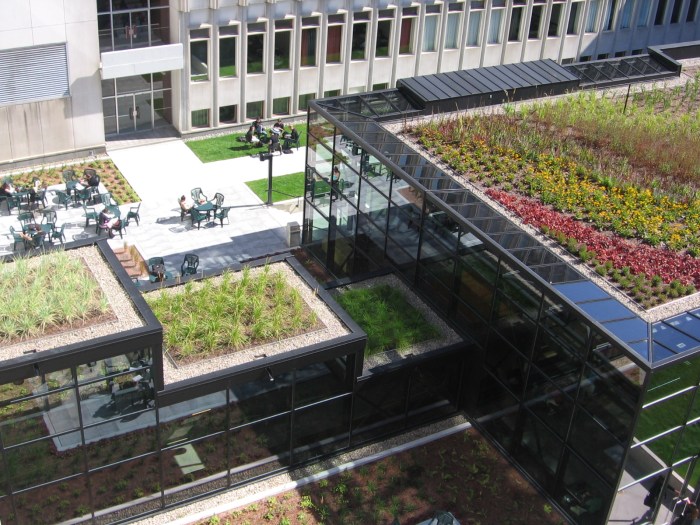
In the process of designing a green roof, consultants play a crucial role in assessing the building structure, environmental conditions, and client's requirements to create a sustainable and functional green roof design. They work closely with architects, engineers, and landscape designers to ensure that the green roof integrates seamlessly with the overall building design.During the design phase, consultants may recommend different types of green roofs based on the specific building structure and environmental factors.
Some common types include extensive green roofs, which are lightweight and low-maintenance, and intensive green roofs, which are more elaborate with a variety of vegetation and amenities. Consultants consider factors such as the load-bearing capacity of the building, sun exposure, drainage systems, and maintenance requirements when selecting the appropriate green roof type.
Challenges in Implementation and Solutions
- Challenge: Lack of Proper Waterproofing - One of the key challenges during the implementation phase is ensuring effective waterproofing to prevent leaks and water damage to the building structure.
- Solution: Green roofing consultants work closely with waterproofing experts to ensure that the green roof system is properly sealed and insulated to protect the building from water infiltration.
- Challenge: Plant Selection and Maintenance - Selecting the right plants for the green roof and ensuring proper maintenance can be challenging, especially in urban environments with limited resources.
- Solution: Consultants provide guidance on plant selection based on local climate conditions, water availability, and maintenance capabilities. They also offer maintenance plans and training to ensure the long-term success of the green roof.
- Challenge: Building Codes and Regulations - Compliance with building codes and regulations related to green roofs can pose challenges during the implementation phase.
- Solution: Green roofing consultants are well-versed in local building codes and regulations concerning green roofs. They work closely with authorities to obtain necessary permits and approvals, ensuring that the green roof meets all legal requirements.
Environmental Impact and Sustainability
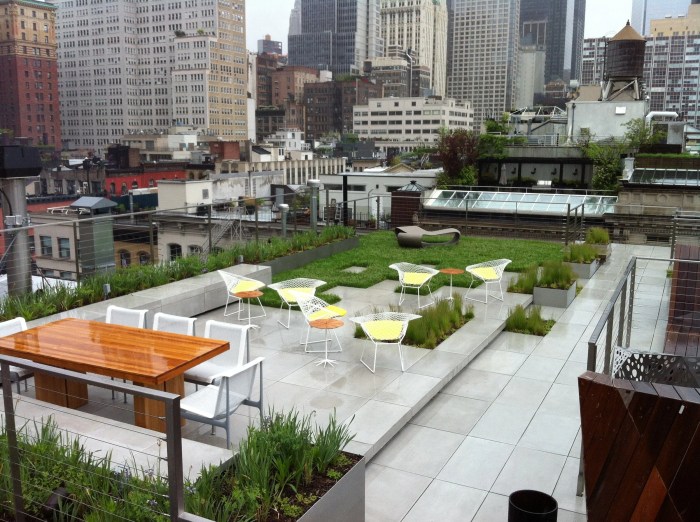
Green roofs have a significant positive impact on the environment and play a vital role in promoting sustainability. Green roofing consultants are instrumental in implementing these eco-friendly roofing solutions, contributing to a healthier and more sustainable future.
Reducing Energy Consumption and Improving Air Quality
- Green roofs act as natural insulators, reducing the need for artificial heating and cooling in buildings, thereby lowering energy consumption.
- Plants on green roofs absorb carbon dioxide and release oxygen, improving air quality and reducing greenhouse gas emissions in urban areas.
- The vegetation on green roofs helps to filter pollutants and particulate matter from the air, creating a healthier environment for residents.
Long-Term Sustainability Factors
- Green roofing consultants consider factors such as plant selection, irrigation systems, and drainage solutions to ensure the long-term sustainability of green roof projects.
- Proper maintenance plans are developed by consultants to ensure the health and longevity of the green roof system, maximizing its environmental benefits over time.
- By incorporating renewable materials and sustainable practices in their designs, green roofing consultants prioritize environmental stewardship and sustainable development in their projects.
End of Discussion
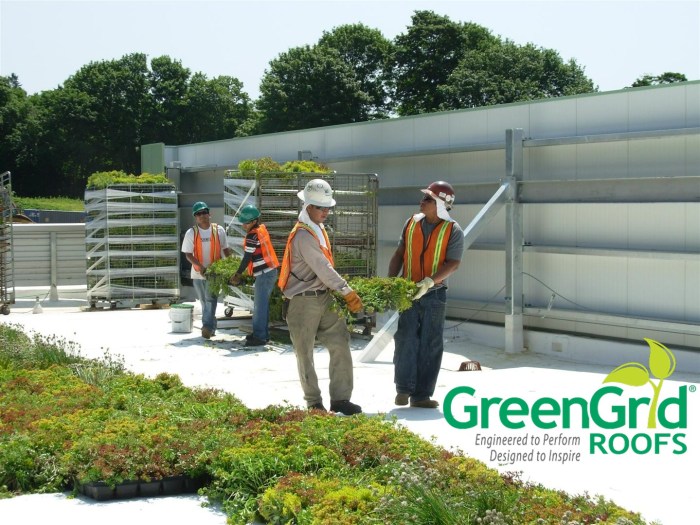
In conclusion, green roofing consultants stand at the forefront of sustainable development, paving the way for greener, healthier cities. Their expertise and dedication to environmental stewardship continue to make a lasting impact on the world we live in.
Detailed FAQs
What qualifications are needed to become a green roofing consultant?
To become a green roofing consultant, one typically needs certifications in sustainable building practices, experience in horticulture or environmental science, and a strong understanding of green roof design principles.
How do green roofing consultants contribute to sustainable development?
Green roofing consultants contribute to sustainable development by implementing eco-friendly roofing solutions that reduce energy consumption, improve air quality, and promote biodiversity in urban areas.
What challenges do green roofing consultants face during the implementation phase?
Green roofing consultants may face challenges such as structural limitations, waterproofing issues, and plant maintenance difficulties during the implementation phase. They overcome these challenges through strategic planning and innovative solutions.