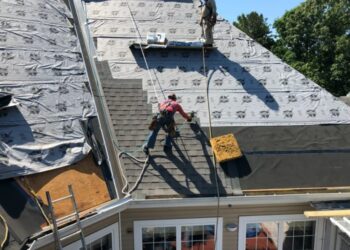

As roof installation financing options take center stage, this opening passage beckons readers into a world crafted with good knowledge, ensuring a reading experience that is both absorbing and distinctly original. From various financing types to key factors to consider, this guide covers it all for a seamless understanding of roof installation financing options.
Types of Roof Installation Financing Options

When it comes to financing roof installation, there are several options available to homeowners. Each option has its own set of benefits and drawbacks, so it's essential to understand them before making a decision. Below, we will discuss the various types of roof installation financing options, compare and contrast their pros and cons, and provide examples of companies or institutions that offer these financing options.
Personal Loans
Personal loans are a common way to finance roof installation. They can be obtained from banks, credit unions, or online lenders. The benefit of personal loans is that they offer flexibility in terms of repayment and can be used for various home improvement projects, including roof installation.
However, interest rates can be higher compared to other financing options.
Home Equity Loans
Home equity loans allow homeowners to borrow against the equity in their home to finance roof installation. The advantage of home equity loans is that they typically have lower interest rates compared to personal loans. However, there is a risk of losing your home if you default on the loan.
Roofing Company Financing
Some roofing companies offer financing options to help homeowners cover the cost of roof installation. These financing options may come with promotional interest rates or flexible payment plans. However, it's essential to carefully review the terms and conditions to ensure you're not overpaying in the long run.
Federal Housing Administration (FHA) Loans
FHA loans are backed by the government and can be used to finance home improvement projects, including roof installation. These loans are popular among homeowners with lower credit scores, as they have more lenient eligibility requirements. However, FHA loans may come with additional fees and mortgage insurance premiums.
Homeowners Insurance Claims
In some cases, roof installation may be covered by homeowners insurance if the damage is due to a covered peril, such as a storm or fire. Homeowners can file a claim with their insurance company to help cover the cost of roof replacement.
However, it's essential to review your policy and understand the coverage limits before filing a claim.
Factors to Consider When Choosing a Financing Option

When selecting a financing option for roof installation, it is crucial to consider various factors that can impact the overall cost and terms of the loan.
Interest Rates
Interest rates play a significant role in determining the total amount you will pay back over time. Lower interest rates can result in lower monthly payments and overall savings. Be sure to compare interest rates from different lenders to find the best option for your budget.
Repayment Terms
Repayment terms refer to the length of time you have to pay back the loan. Longer repayment terms may have lower monthly payments but can result in paying more interest over time. Shorter repayment terms may have higher monthly payments but can save you money on interest in the long run.
Consider your financial situation and choose a repayment term that aligns with your goals.
Eligibility Criteria
Each financing option may have specific eligibility criteria, such as credit score requirements, income verification, or collateral. Make sure you meet the eligibility criteria before applying to avoid any delays or rejections.
Impact on Overall Cost
Different financing options can have a significant impact on the overall cost of roof installation. For example, a loan with a high-interest rate and long repayment term can result in paying more than the actual cost of the roof. It is essential to calculate the total cost, including interest and fees, to make an informed decision.
Reviewing Terms and Conditions
Before choosing a financing option, carefully review the terms and conditions of the agreement. Pay attention to any hidden fees, prepayment penalties, or other clauses that may impact your ability to repay the loan. Understanding the terms and conditions can help you avoid any surprises and make sure you are comfortable with the agreement.
Application Process for Roof Installation Financing

When applying for financing for roof installation, there are several steps involved to ensure a smooth process. It is important to be prepared and have all the necessary documentation ready to increase the chances of approval.
Preparation Tips for the Application Process
- Check your credit score beforehand to understand your financial standing.
- Gather all required financial documents, such as pay stubs or tax returns, to verify your income.
- Prepare a list of your assets and liabilities to provide a complete financial picture.
Common Requirements for Roof Installation Financing
- Good credit score: Lenders often look for a credit score of 620 or higher to qualify for financing.
- Income verification: You may need to provide recent pay stubs or tax returns to prove your financial stability.
- Documentation: Be prepared to provide personal identification, proof of residence, and any other documentation required by the lender.
Understanding the Risks of Roof Installation Financing

When considering financing options for roof installation, it is crucial to be aware of the potential risks involved. Failure to understand and manage these risks can lead to financial difficulties and other consequences. Here, we will discuss the risks associated with roof installation financing and provide strategies to mitigate them.
Potential Risks of Roof Installation Financing
- High Interest Rates: One of the major risks of roof installation financing is the possibility of high-interest rates, which can significantly increase the overall cost of the project.
- Defaulting on Payments: Missing payments or defaulting on the financing agreement can damage your credit score and lead to legal action by the lender.
- Hidden Fees and Charges: Some financing options may come with hidden fees or charges that can catch you off guard, increasing the total amount you owe.
- Impact on Home Equity: Using financing for roof installation can affect your home equity and potentially put your property at risk if you are unable to repay the loan.
Mitigating Strategies
- Compare Financing Options: Research and compare different financing options to find the one with the lowest interest rates and most favorable terms.
- Create a Realistic Budget: Develop a budget that includes all costs associated with the roof installation project to ensure you can afford the monthly payments.
- Read the Fine Print: Thoroughly review the terms and conditions of the financing agreement to understand all fees, charges, and potential penalties.
- Communicate with Lender: If you encounter difficulties making payments, communicate with your lender to explore alternative repayment options or solutions.
Consequences of Non-Adherence
- Damage to Credit Score: Failing to adhere to the repayment terms of the financing agreement can result in a negative impact on your credit score, making it harder to secure future loans.
- Lawsuits and Legal Action: Lenders may pursue legal action against you for defaulting on payments, potentially leading to wage garnishment or asset seizure.
- Foreclosure Risk: In extreme cases, defaulting on roof installation financing could put your home at risk of foreclosure, leading to the loss of your property.
Closure

In conclusion, navigating through the realm of roof installation financing options can be a daunting task. However, armed with the knowledge provided in this guide, readers can make informed decisions that suit their financial needs. Whether it's understanding the risks or delving into the application process, this guide serves as a valuable resource for anyone considering financing their roof installation.
FAQ Section
What are the common types of financing options available for roof installation?
Common types include personal loans, home equity loans, and financing through roofing companies.
How do different financing options impact the overall cost of roof installation?
Interest rates and repayment terms can significantly affect the total cost of the installation.
What are the typical steps involved in applying for roof installation financing?
The process usually involves filling out an application, providing documentation, and undergoing a credit check.
What are some strategies to mitigate risks associated with roof installation financing?
Ensuring timely payments, understanding the terms of the agreement, and avoiding high-interest rates can help mitigate risks.
What happens if one doesn't adhere to the repayment terms of a financing agreement for roof installation?
Failure to adhere to repayment terms can lead to penalties, damaged credit score, or legal action by the financing institution.